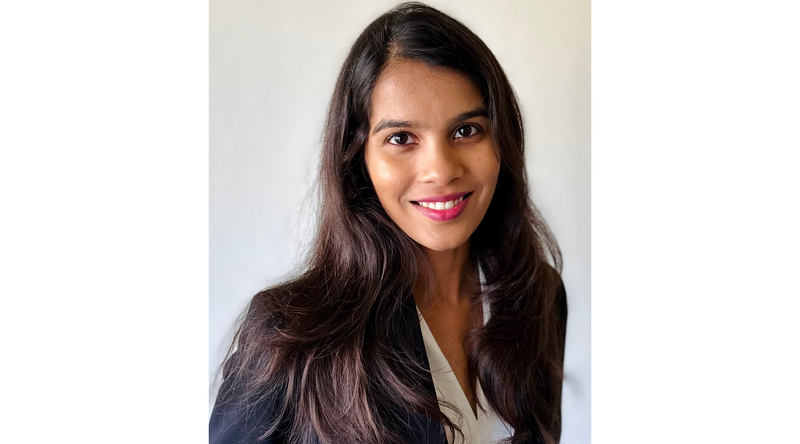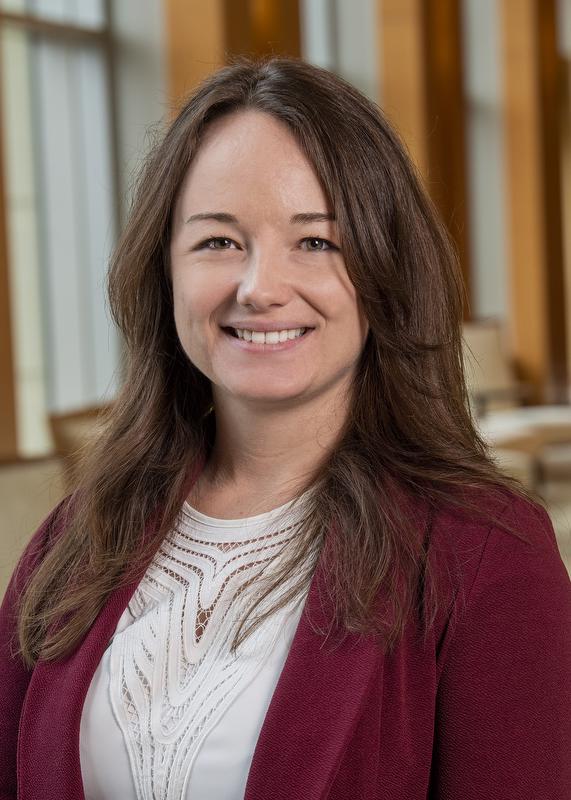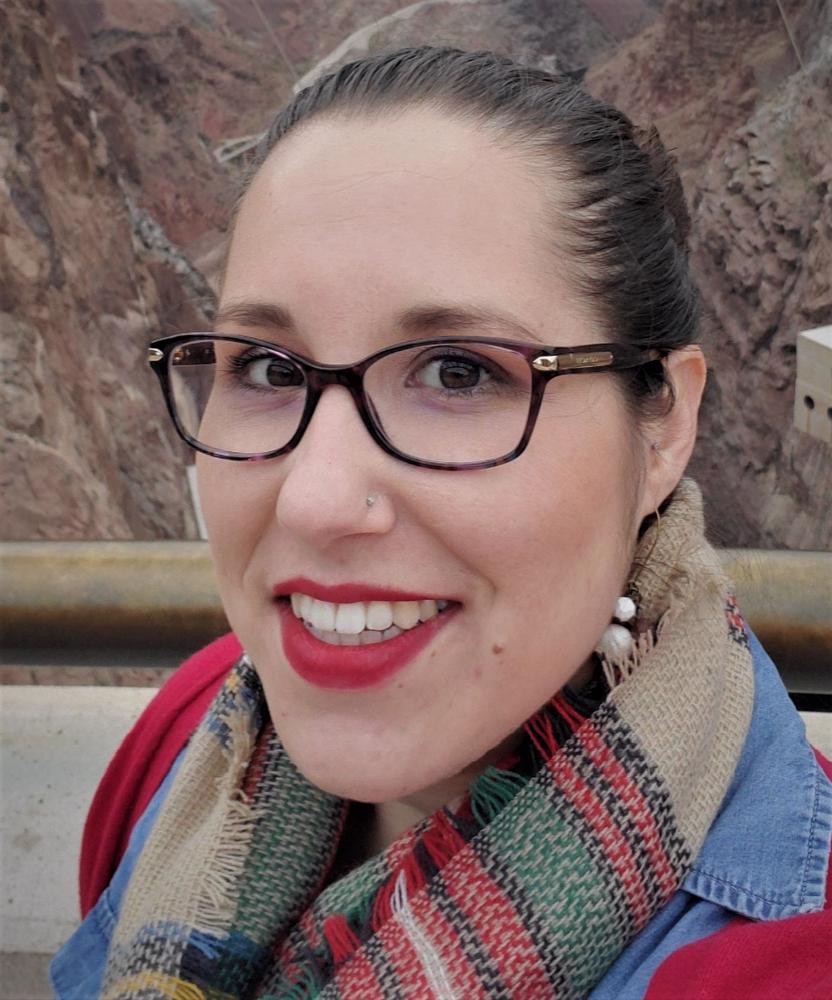
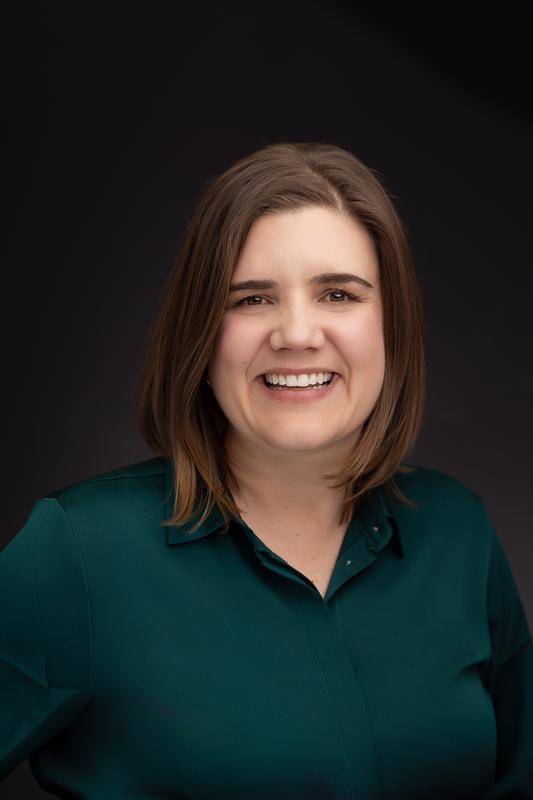
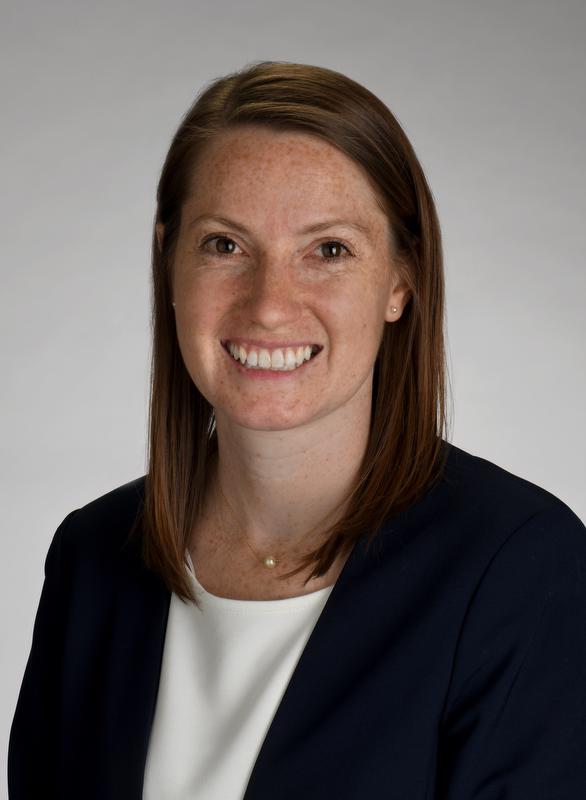
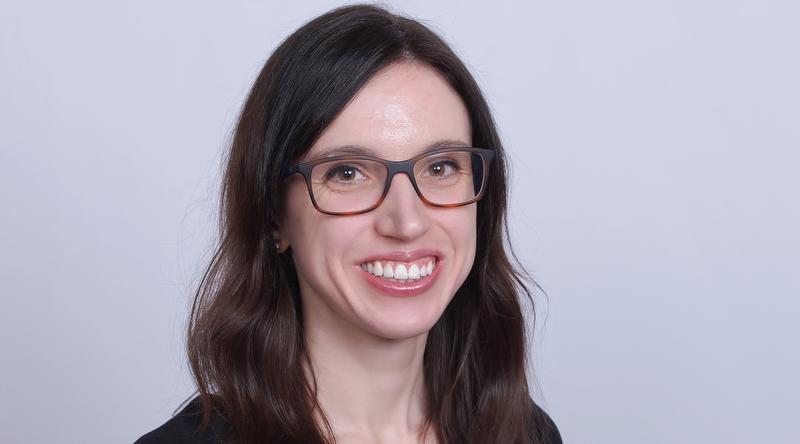
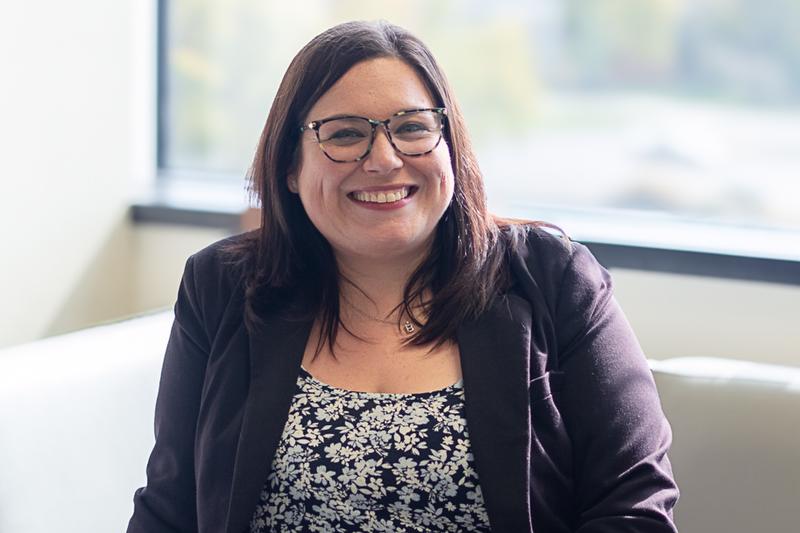
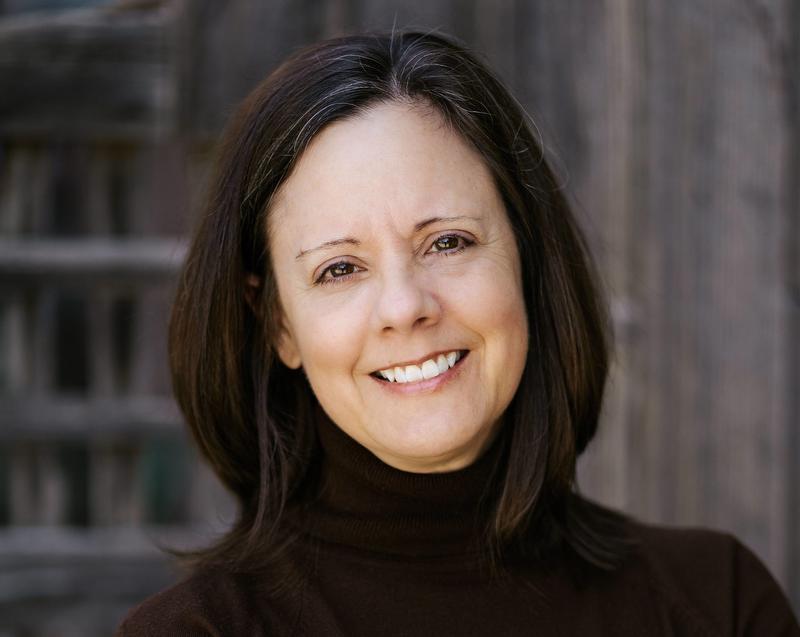
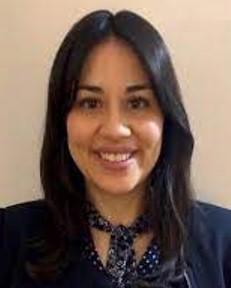
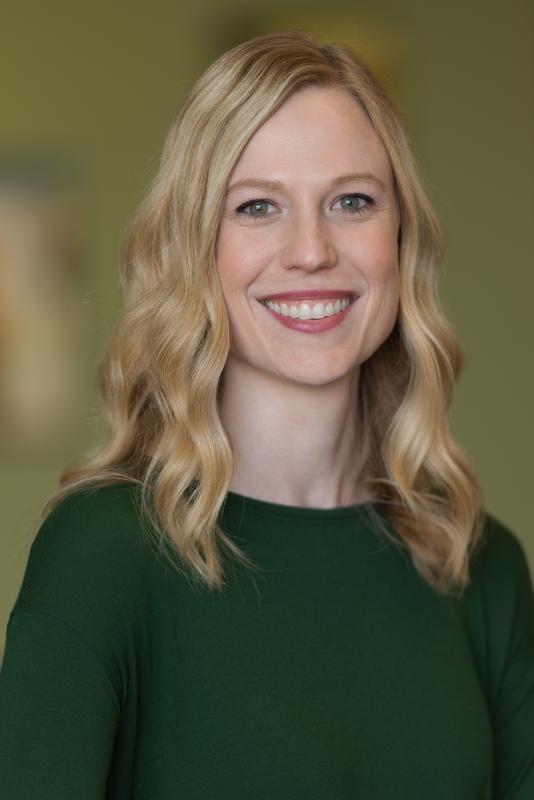
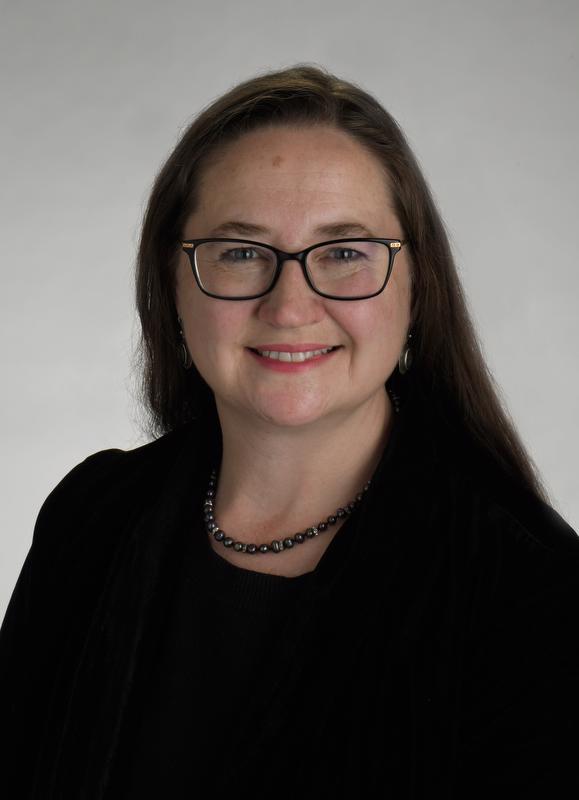
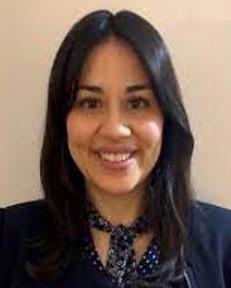
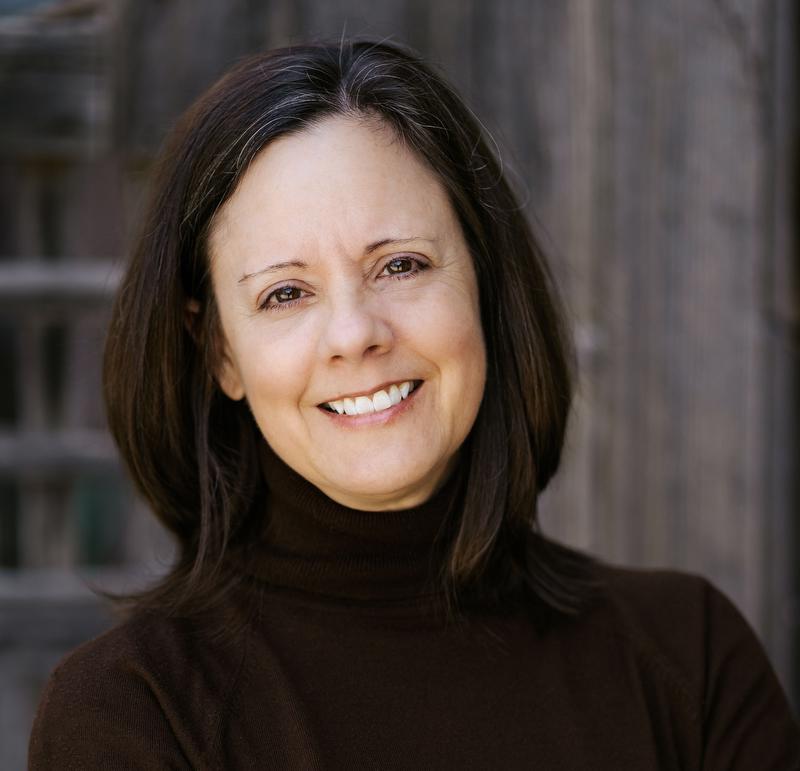
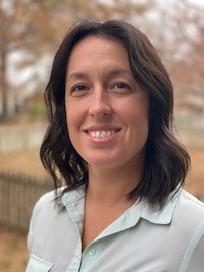
TL1 Postdoctoral Scholar Darcy Sullivan, Ph.D., University of Kansas Medical Center
By Kelly Hale , Marketing & Communications Specialist
Dec 03, 2025
Project Title: Evaluating Medicaid Expansion and Its Influence on Health Outcomes Across U.S. Populations
Project Summary: Prior to Medicaid expansion, only 25% of working-age adults with disabilities were for eligible Medicaid and 20% were uninsured. Medicaid expansion has the potential to serve as a mechanism that alleviates hardship among people with disabilities by mitigating the effects of poverty. Access to health insurance has been linked to better health outcomes, increase healthcare utilization, and lower out-of-pocket medical expenses. However, prior to Medicaid expansion, working-age adults with disabilities had limited options for health insurance. Many people with disabilities are not eligible for employer-sponsored health insurance due to limited labor force participation, and individual marketplace options are limited due to spending caps and high premiums. Without access to full-time employment, most working-age adults with disabilities have been forced to choose between being uninsured or applying for federal disability benefits, such as Supplemental Security Income (SSI). Although SSI does ensure health insurance, it also requires applicants to meet stringent income/asset limits that restrict their ability to work. This system disincentivizes employment among people with disabilities and traps them in poverty, resulting in poorer health outcomes. Despite an established relationship between health insurance, poverty, and health outcomes, there is a dearth of research examining how Medicaid expansion has influenced poverty and health among people with disabilities. Sullivan’s TL1 research uses 2009-2023 restricted-access Current Population Survey (CPS) and Social Security Administration (SSA) administrative data to estimate the effect of Medicaid expansion on SSI participation among working-aged people with disabilities and compare self-rated health among people who switched from SSI to expanded Medicaid versus people who remained SSI beneficiaries.
Mentor(s): J. Tom Mueller, Ph.D.
Darcy Sullivan, Ph.D., is a medical sociologist and a postdoctoral fellow in the Department of Population Health at the University of Kansas Medical Center. Her research aims to answer the question: Why do people with disabilities experience persistent disparate health outcomes? And what is the role of policies in shaping these outcomes?
“Everyone thinks of point of care outcomes or service delivery, like access to mammograms, but I’m thinking beyond these measures of health,” said Sullivan. “I’m also looking at food insufficiency, loneliness, family structure – really the social determinants of health for people with disabilities.”
Sullivan is focusing more on healthcare policy for her TL1 —specifically Medicaid expansion and other social safety nets, such as Social Security Disability Insurance (SSDI) and Supplementary Security Income (SSI).
She wants to understand the social mechanisms driving the health outcomes of people with disabilities. Sullivan highlighted how SSI and Medicaid policies might be related. SSI is a federal program that provides Medicaid coverage and cash benefits to older adults and people with disabilities. What many people do not realize is that SSI requires people to have low incomes and few assets—less than $2,000 in assets as of 2024. The cash benefit provided to enrollees is also low—a monthly maximum of about $943-- so many people enroll in SSI to get Medicaid coverage. This system disincentivizes employment among people with disabilities and traps them in poverty. So, Medicaid expansion might be a way for this population to still have access to affordable health insurance without the strict income limits, which could have significant impacts on health.
In preliminary work, Sullivan found that Medicaid expansion increased enrollment among working-age people with disabilities.
“But there is not a direct link from having health insurance to being in good health or improving your health,” she explained. “So, I want to explore if Medicaid expansion does, in fact, impact people with disabilities’ health.
“I think you have to look at the role of policy, so my TL1 project is looking at this interplay between SSI and Medicaid expansion. And depending on those findings, I might be able to make recommendations or a statement about the utility or effectiveness of Medicaid expansion in mitigating hardship. And then, we can begin to address some of the structural factors that make it difficult for people with disabilities to access health care services.”
And why did she apply for the TL1 program?
“I am really passionate about research. I get a lot of fulfillment from asking questions that have real-world impact and being able to disseminate findings,” said Sullivan. “I spent the first year of my postdoctoral fellowship working on Dr. Mueller’s Medicaid expansion, mortality, and poverty project—which was a fantastic experience-- but I was ready to take on some more responsibilities and gain experience designing my own study. This program opened so many doors for me, like funding that protects my research time, more learning opportunities-- like grant writing and scientific communication classes-- and networking with other early career scholars.”
And another exciting part of the TL1 program for Sullivan?
“My TL1 project uses restricted access Census data within the Federal Statistical Research Data Center (FSRDC) here in Kansas City. The FSRDC is a unique work environment —you have to get Special Sworn Status to access data, submit a proposal to the Census Bureau, and follow strict data protocols — but working in the FSRDC allows me to make novel connections between data sources, like the Current Population Survey and Social Security Administration administrative data. So, I am developing this new skill set using this high-powered, restricted access data to answer really unique questions that others have not.”

Kelly Hale
Marketing & Communications Specialist
Latest Articles
View All TL1 Trainee · News
 Funded Projects · News
 KL2 Scholar · News
 Funded Projects · News
 TL1 Trainee · News
 Funded Projects · News
 KL2 Scholar · News
 KL2 Scholar · News

















 News · In the Community




 News
News






 Funded Projects · News