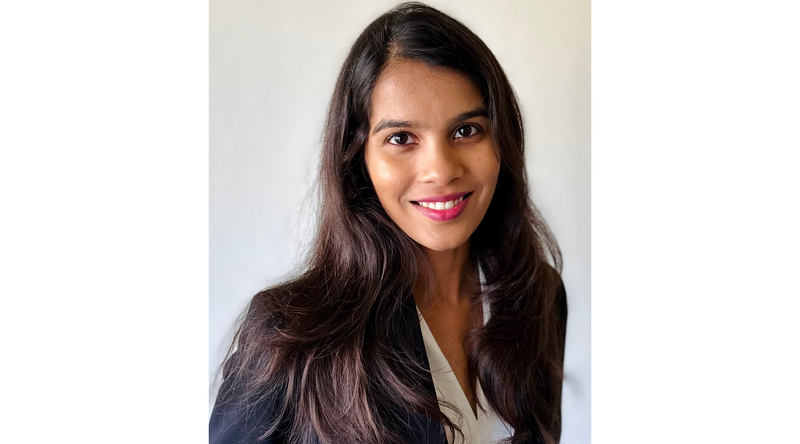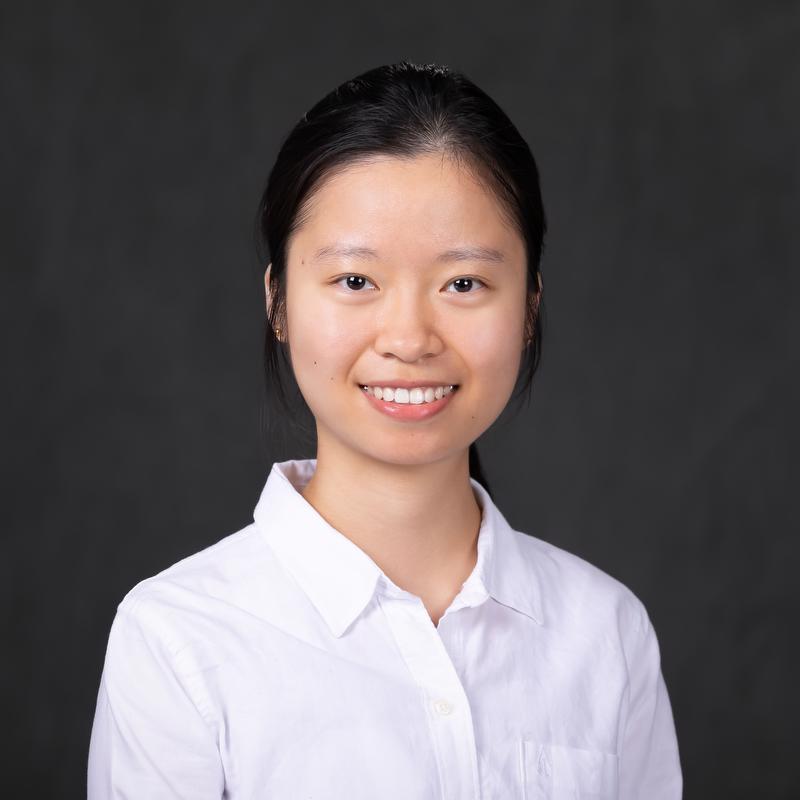
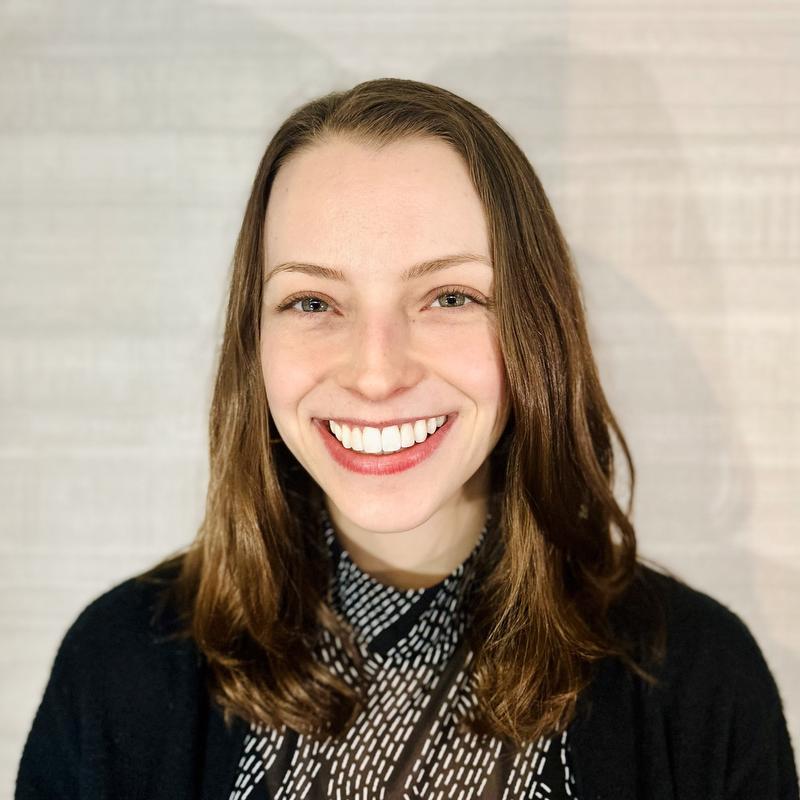
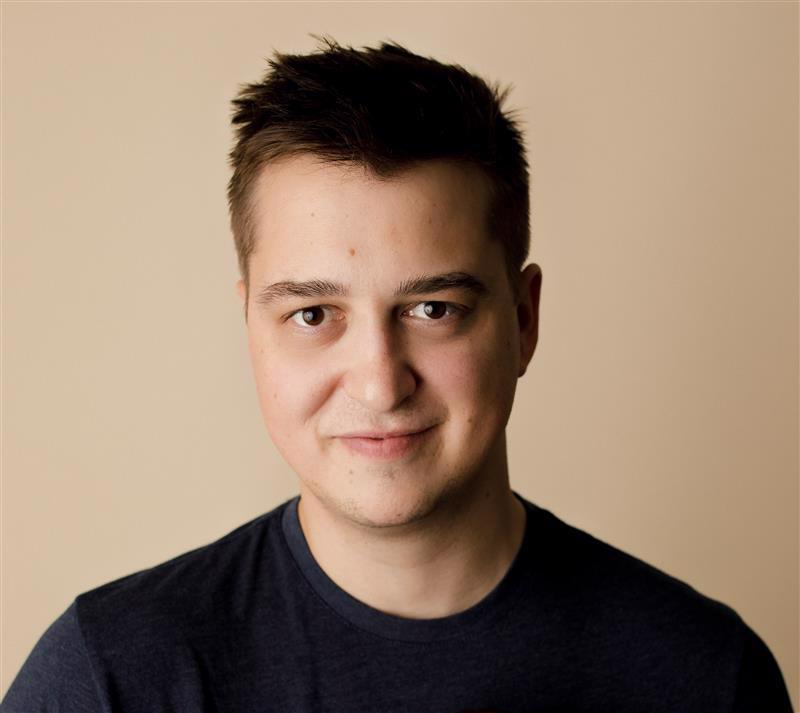
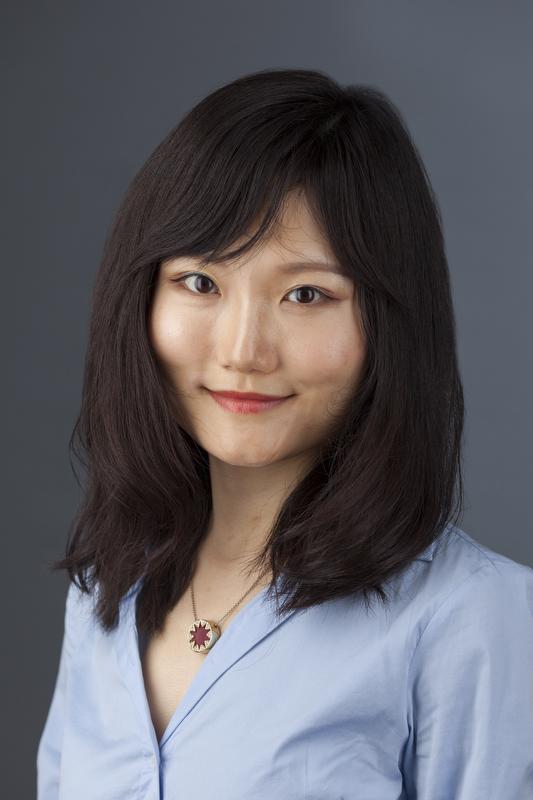
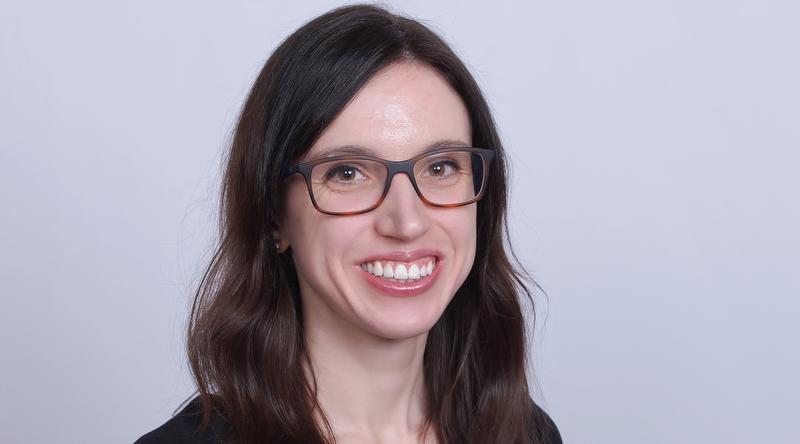
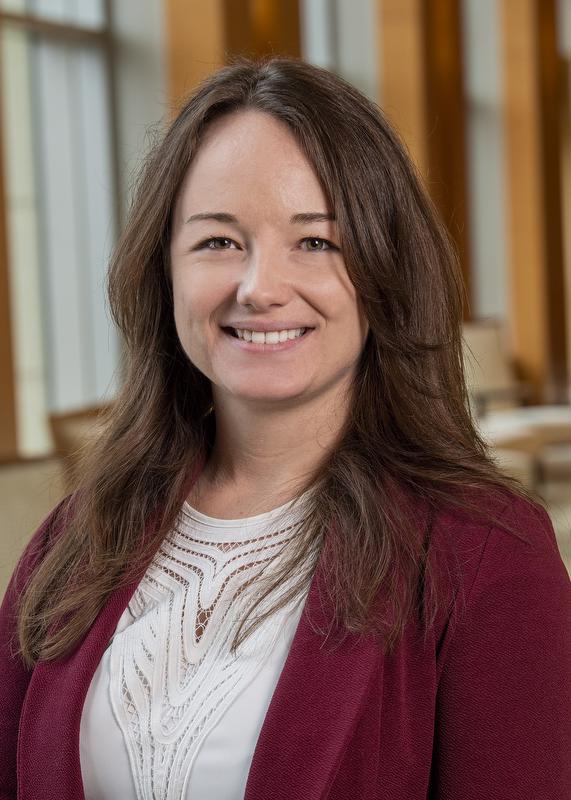
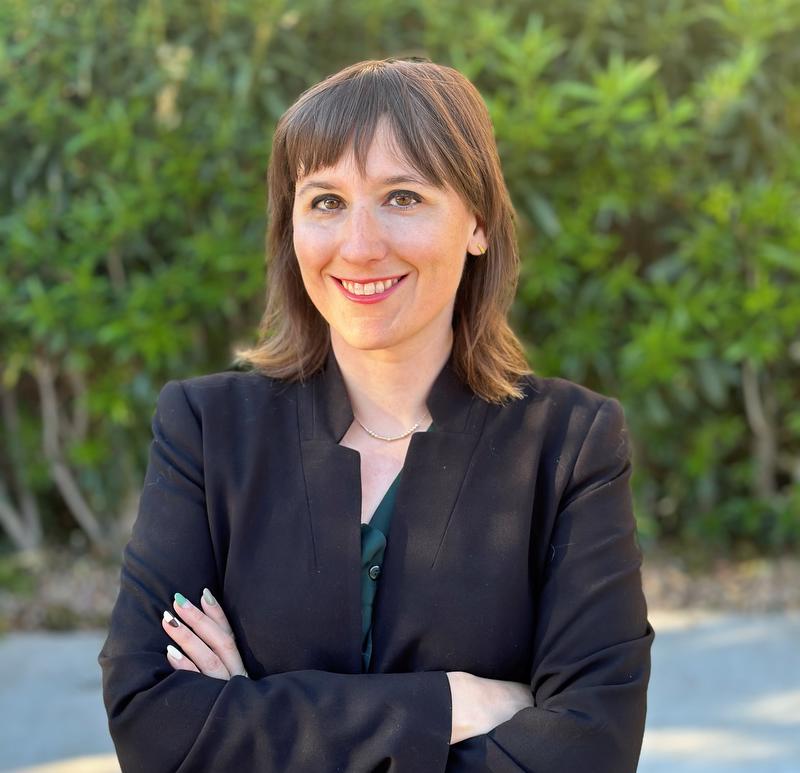
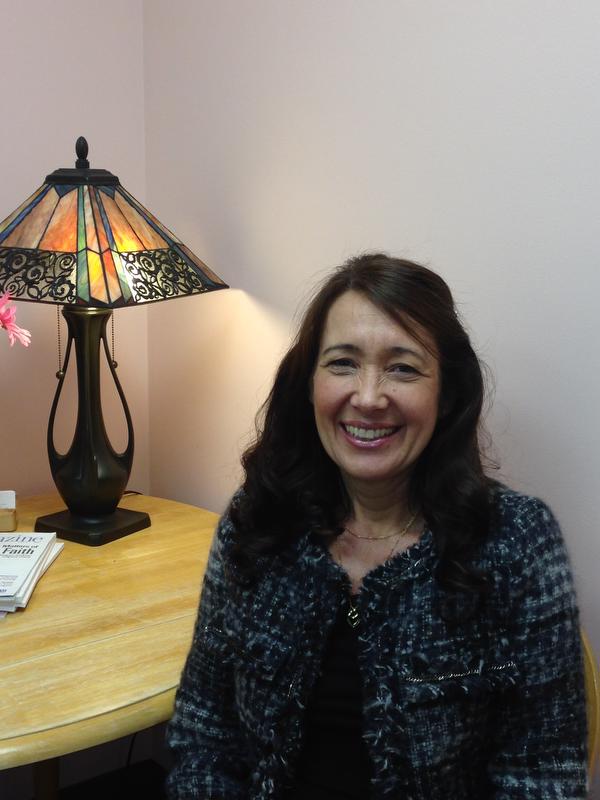
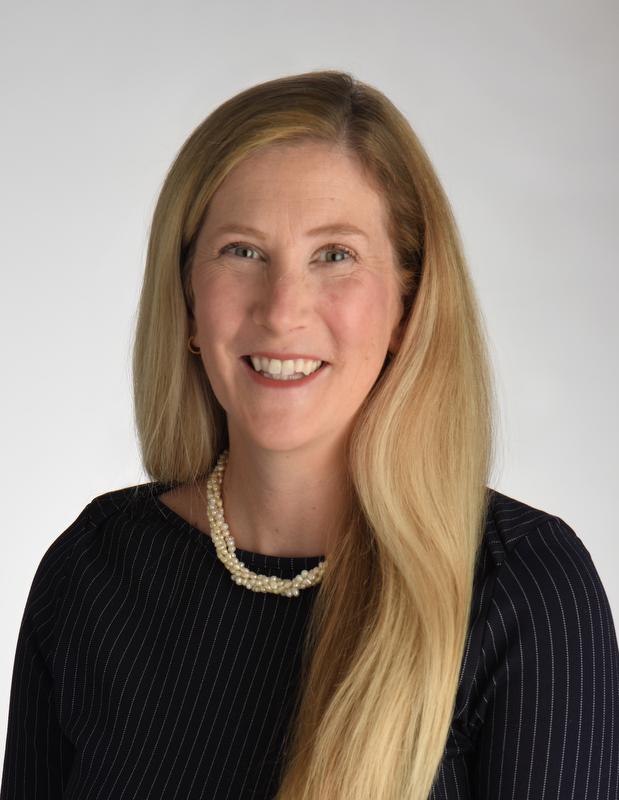
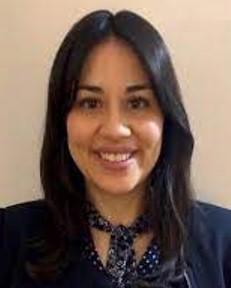
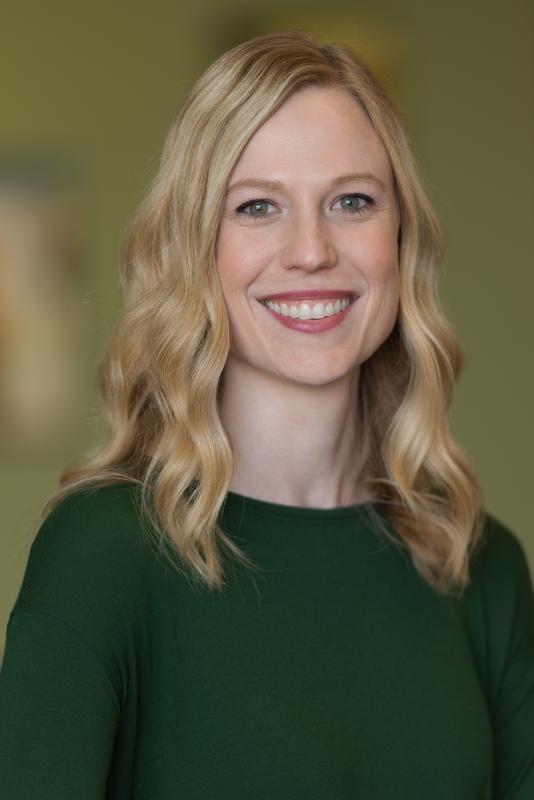
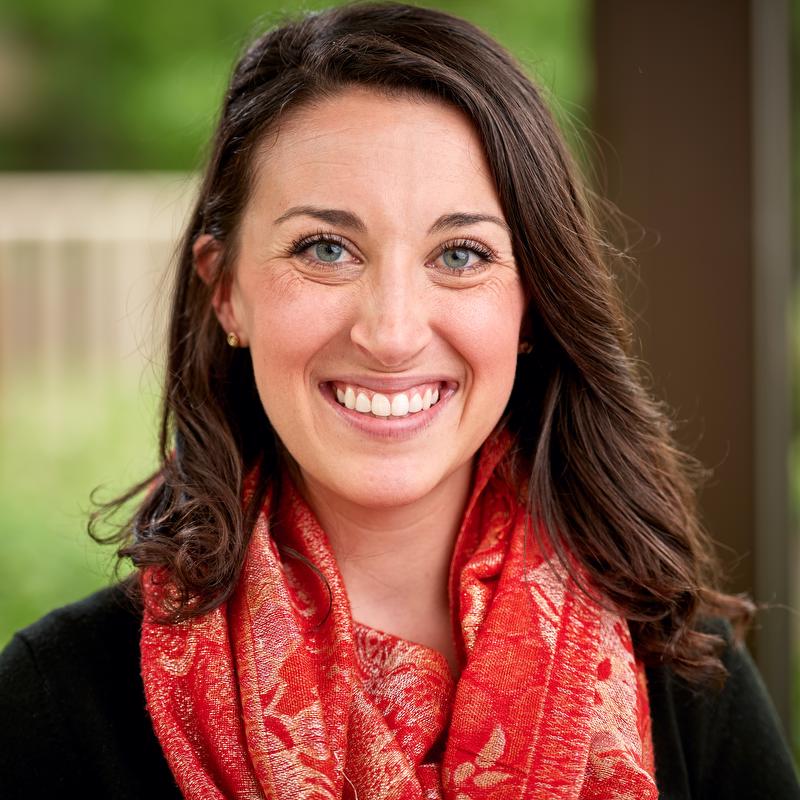
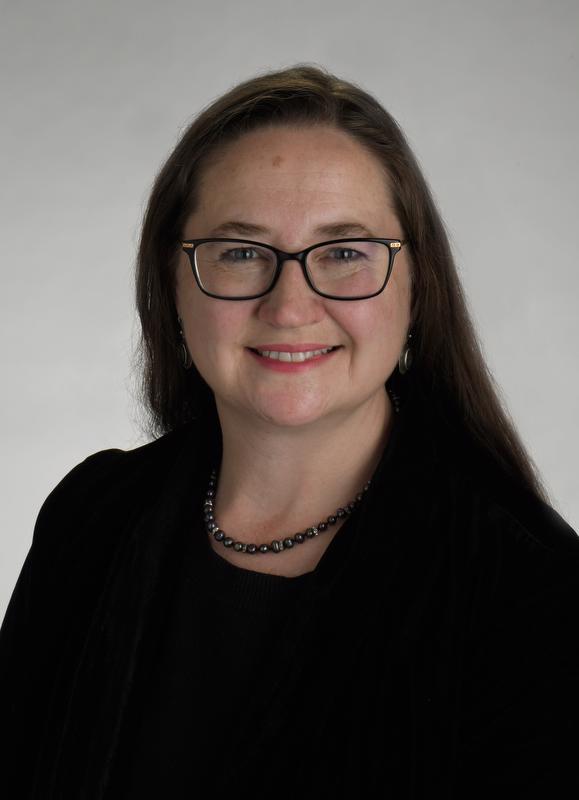
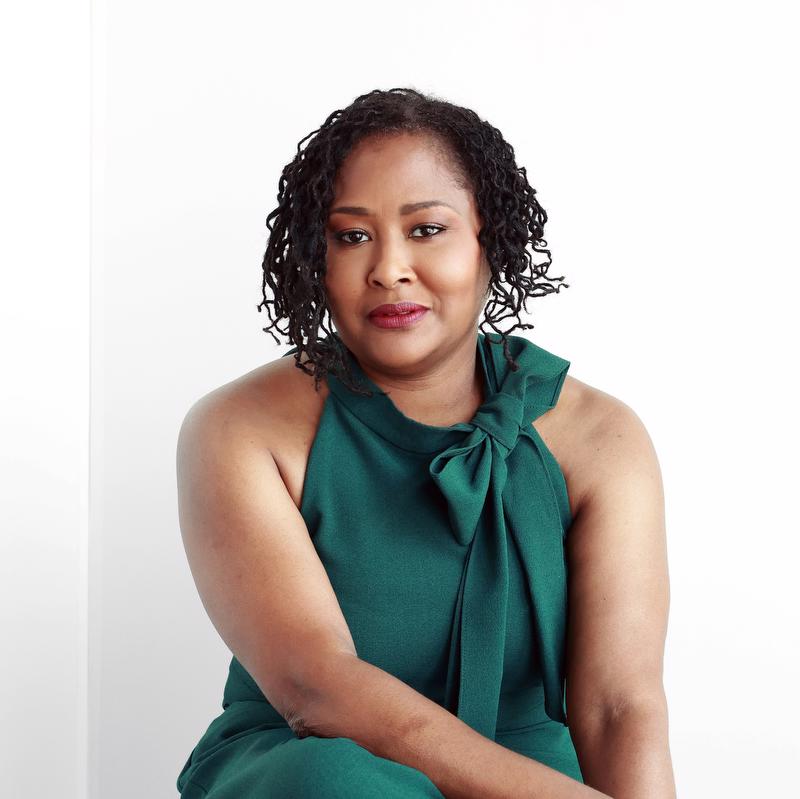
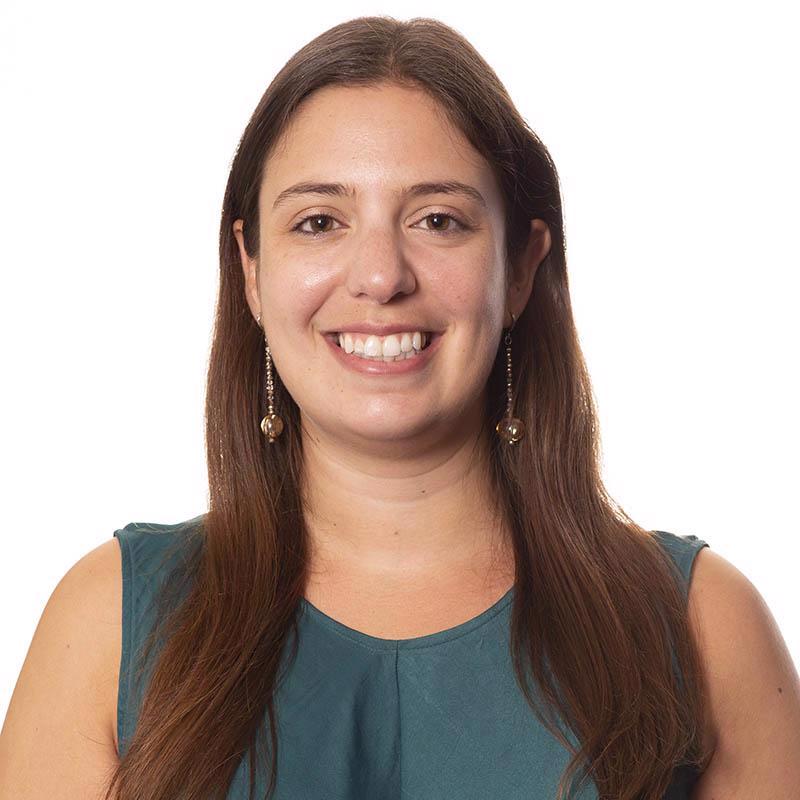
TL1 Predoctoral Trainee Dana Thalman, University of Kansas Medical Center
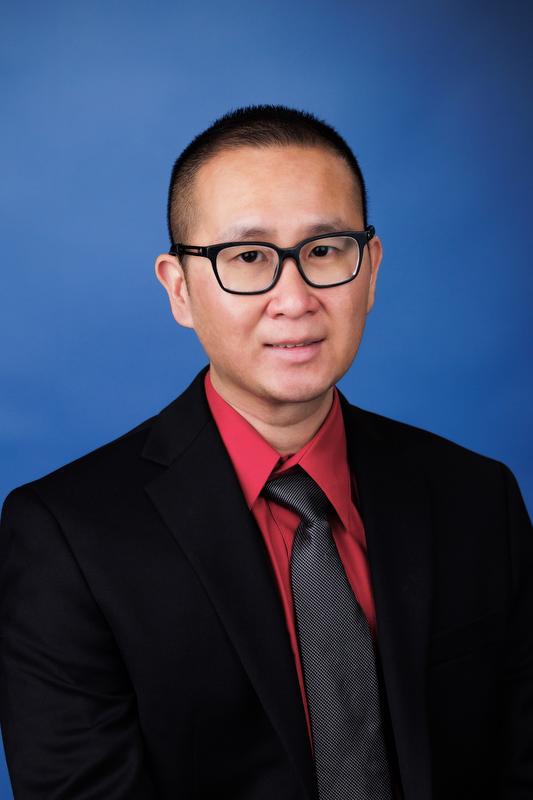
By Kelly Hale , Marketing & Communications Specialist
Oct 08, 2026
Project Title: Metformin as a Possible Therapeutic Tool for Correcting Choroid Plexus Congenital Defects
Project Summary: My research aims to determine whether maternal Metformin exposure can noninvasively improve barrier integrity and reduce the risk of ventricle enlargement. Using a complementary mouse model and human retrospective cohort approach, the project directly bridges developmental biology and clinical investigation to evaluate Metformin as a potential first-line, prenatal therapeutic strategy.
Mentor(s): Irfan Saadi, Ph.D. and Megan Thomas, M.D.
Dana Thalman knew she wanted to make a difference in medicine and find innovative solutions.
“I started down a biotechnology route with a chemical engineering degree,” she said. “I found a love for genetics and development through a summer program, which led me to pursue medicine and research.”
After getting into the University of Kansas Medical Center’s M.D./Ph.D. program, Thalman connected with a lab that allowed her to do research in development. She was encouraged by the opportunity to have the ability to mold a project as it happened.
“That really led me to where I am now, and the Frontiers (CTSI) program was a really good fit to support a project and learn more about the clinical side,” she said. “I want to have more clinical time and still do research, like a pediatric specialty which would put me in a place where I am seeing kids. There are genetically driven illnesses, so to be able to work on different ways to understand those diseases and then hopefully produce ways to help and treat them better.”
For Thalman, her long-term goals are to be able to help parents understand new treatment options and what the research looks like and find holes in the research and work to fill those gaps.
In her Ph.D. coursework, Thalman works with a mouse model for ventriculomegaly (a condition where the fluid-filled spaces (ventricles) in a baby’s brain grow larger than normal). During the research process, she learned that a potential treatment was using metformin to help try and close the junctions within the brain and help tighten those barriers and control what can get into the ventricles.
“No one has really looked at it during development,” she said. “We are looking at past records to see if we can correlate lower incidence of ventriculomegaly with the use of metformin in their mothers. As I presented my project, my clinical mentor thought this was great because we could see if this could become a first line treatment and hopefully decrease the number of neurosurgeries, which is currently the only treatment, for these children.”
As far as the TL1 program, Thalman feels like the program overall is going to help develop her skills more, while also networking with other investigators.
“One thing I am really looking forward to is really being able to take this project from the lab and being able to explain in a clinical setting and meaningfully being able to translate it. And the Frontiers Scholars Club has been interesting because everyone is at a different stage of their careers and training, which has formed their research and opinions, which has led to some great discussion.”
Research reported in this publication is supported by the National Center for Advancing Translational Sciences of the National Institutes of Health under the Award Number TL1TR002368. The content is solely the responsibility of the authors and does not necessarily represent the official views of the National Institutes of Health.

Kelly Hale
Marketing & Communications Specialist
Latest Articles
View All TL1 Trainee · News
 Funded Projects · News
 KL2 Scholar · News
 Funded Projects · News
 TL1 Trainee · News
 Funded Projects · News
 KL2 Scholar · News
 KL2 Scholar · News


 News · In the Community
 News
News




 Funded Projects · News