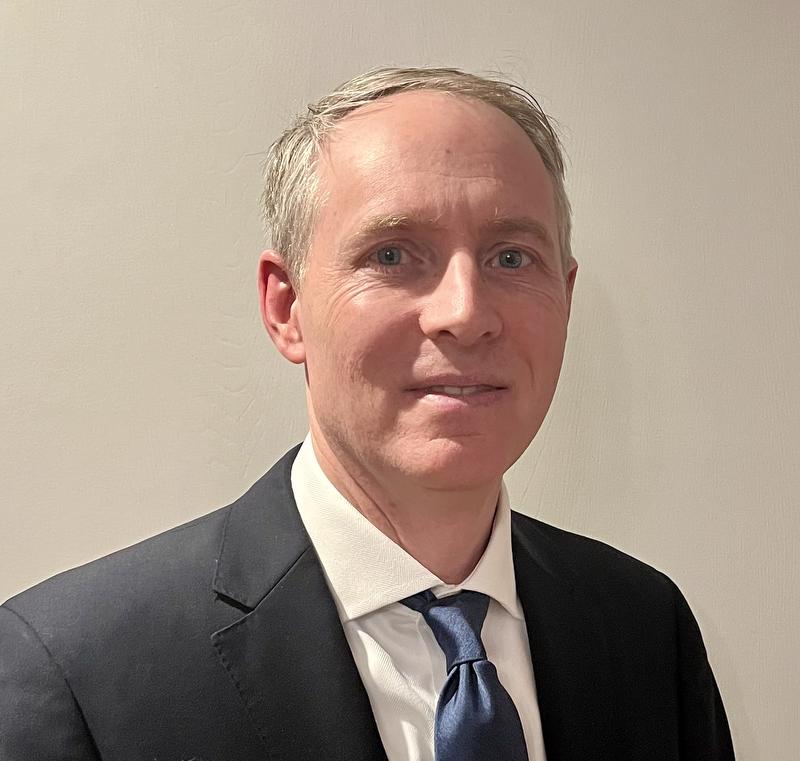
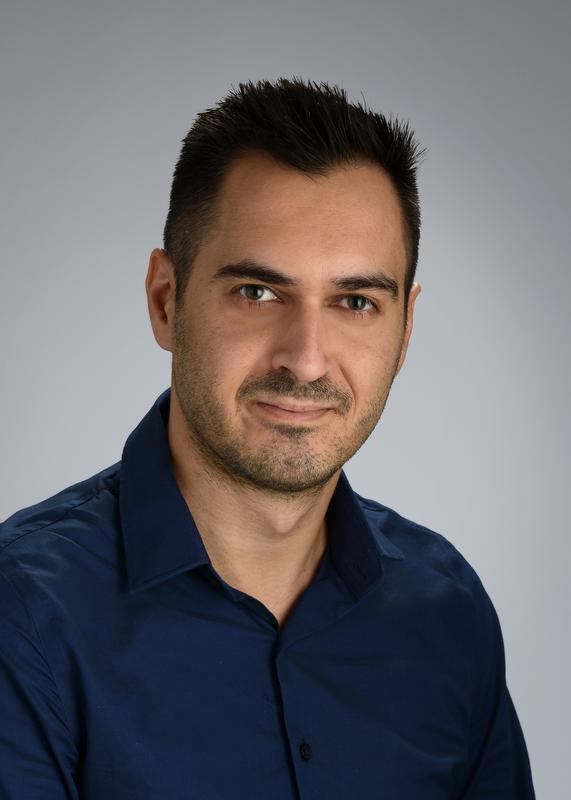
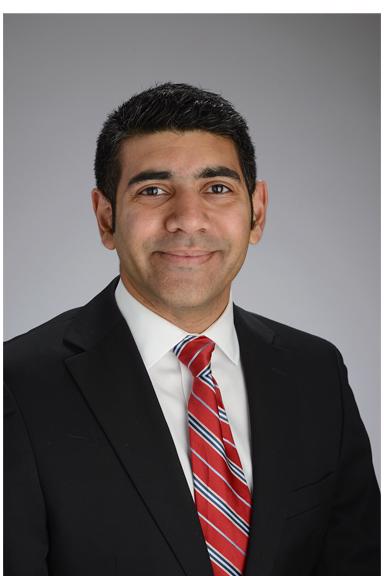
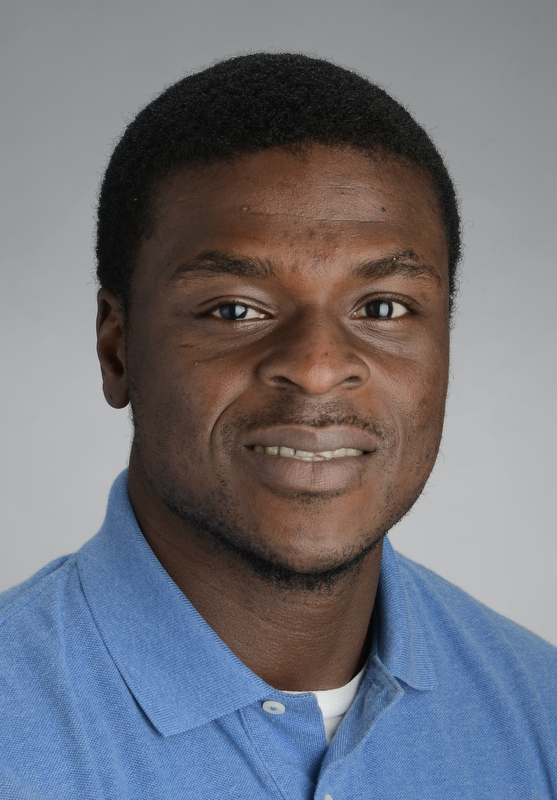
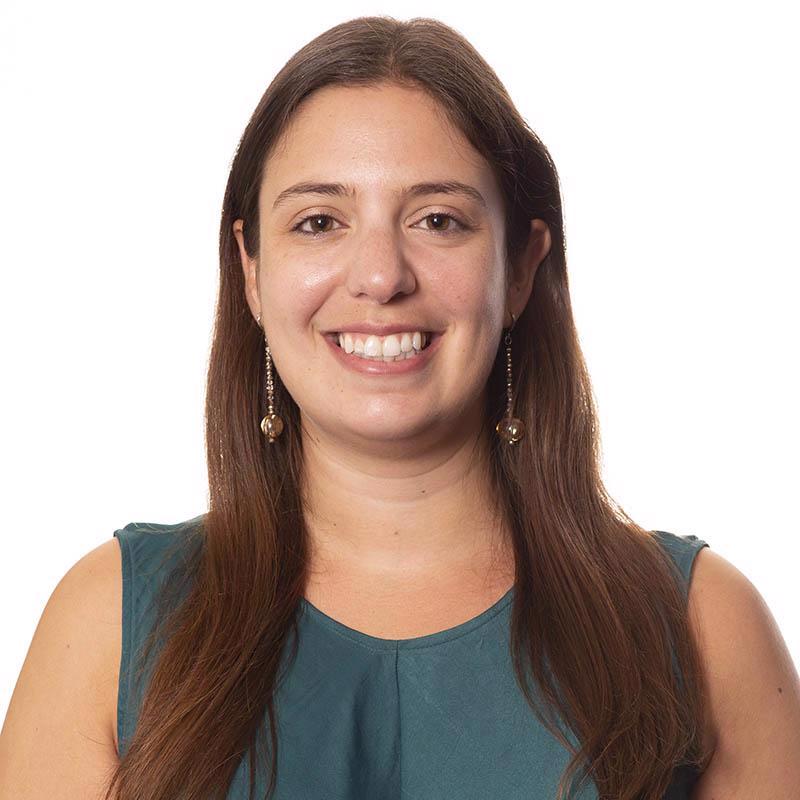
TL1 Postdoctoral Trainee: Debarpan Dhar, Ph.D., Children’s Mercy
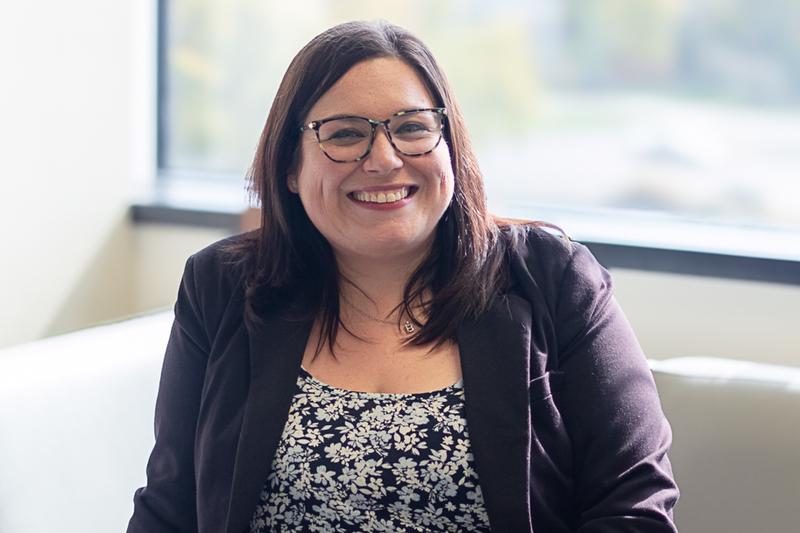
By Kelly Hale , Marketing & Communications Specialist
Aug 10, 2026
Project Title: Understanding clade specific differences in neurotropism and host transcriptional responses to patient derived parechovirus-A3 isolates in neuronal cells and human brain organoids.
Project Summary: Parechovirus-A3 (PeV-A3) is among the most frequently detected picornaviruses in cerebrospinal fluid or blood from infants suspected of sepsis or central nervous system infections. PeV-A3 infection is associated with meningoencephalitis, white matter abnormalities, and long-term neurological sequelae and neurodevelopmental delays in neonates and young children. In 2022, the Centers for Disease Control and Prevention (CDC) issued a health advisory due to an increase in cases of fever, sepsis, and neurological symptoms. Our studies have shown that the isolates from 2022 were divergent from isolates of previous years and formed its own separate clade. Despite such clinical relevance, mechanisms underlying PeV-A3 neurotropism and host response remain poorly understood, and no specific antiviral therapies or vaccines are currently available. Most existing studies have relied on laboratory-adapted viral strains and conventional cell culture systems, which do not fully recapitulate the human brain biology or reflect the genetic diversity of circulating clinical isolates. Our objective for this project is to address PeV-A3 clade specific differences and their impact on cellular transcription using a combination of cell culture and human brain organoid model systems. Immunofluorescence and confocal microscopy will be used to identify susceptible neural cell populations to PeV-A3 infection. Bulk and single-cell RNA sequencing will define cell-type-specific transcriptional responses, allowing a high-resolution characterization of host immune response and pathways associated with neuropathogenesis of PeV-A3.
Mentor(s): Rangaraj Selvarangan, Ph.D., Emerging Infections, Children’s Mercy Research Institute; Todd C Bradley, Ph.D., Genome Medicine Center, Children’s Mercy Research Institute.
Towards the end of his doctoral research training at Iowa State University, Debarpan Dhar, Ph.D., knew he wanted to apply his expertise in fundamental virology to a research area with a more direct clinical impact. This led him to the Emerging Infections Lab at Children’s Mercy where he started his post-doctoral research in clinical virology under Dr. Rangaraj Selvarangan.
“I finished my Ph.D. just as we were coming out of the pandemic, so I really wanted to apply some of that knowledge towards clinically significant viruses,” he said. “I am working in a lab that is one of the sites for the Centers for Disease Control and Prevention (CDC) program ‘New Vaccine Surveillance Network (NVSN)’ and we conduct surveillance of viral respiratory and gastrointestinal infections in children.”
Currently he is working on a virus called parechovirus, and certain types of this virus, such as PeV-A3 is severe for infants under three months of age.
“This virus can cause meningitis, encephalitis, and it also causes neurodevelopmental sequela,” said Dhar. “I am trying to detect, or do the surveillance on, this virus and ask the next set of questions, like why these kids are getting sick, and why so sick. I’m trying to leverage a model system called a brain organoid, or a 3D tissue model of the brain so that I can study what different cell populations within these brain organoids are getting infected with these viruses and doing single cell transcriptomics to study the host response to viral infection.”
Dhar hopes his work will help bridge some of the gaps between fundamental and clinical virology of par echoviruses and generate hypotheses to set him on a career path as an independent investigator.
As for applying for the TL1 training program, Dhar is looking forward to the entire program.
“This is really a comprehensive development program for postdocs,” he said. “Being able to have time to focus on my research and interacting with people from other fields so I can start building my network.
“Frontiers CTSI also gives you a step-by-step path on how to become an independent investigator, and that’s my career goal.”
Research reported in this article was supported by the National Center for Advancing Translational Sciences of the National Institutes of Health under the Award Number TL1TR002368. The content is solely the responsibility of the authors and does not necessarily represent the official views of the National Institutes of Health.

Kelly Hale
Marketing & Communications Specialist
Latest Articles
View All TL1 Trainee · News
 Funded Projects · News
 KL2 Scholar · News
 Funded Projects · News
 TL1 Trainee · News
 Funded Projects · News
 KL2 Scholar · News
 KL2 Scholar · News
















 News · In the Community





 News
News













 Funded Projects · News