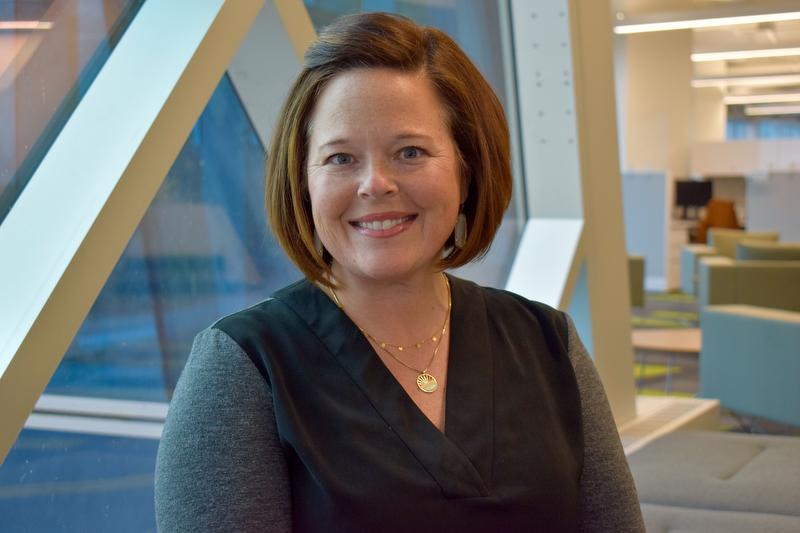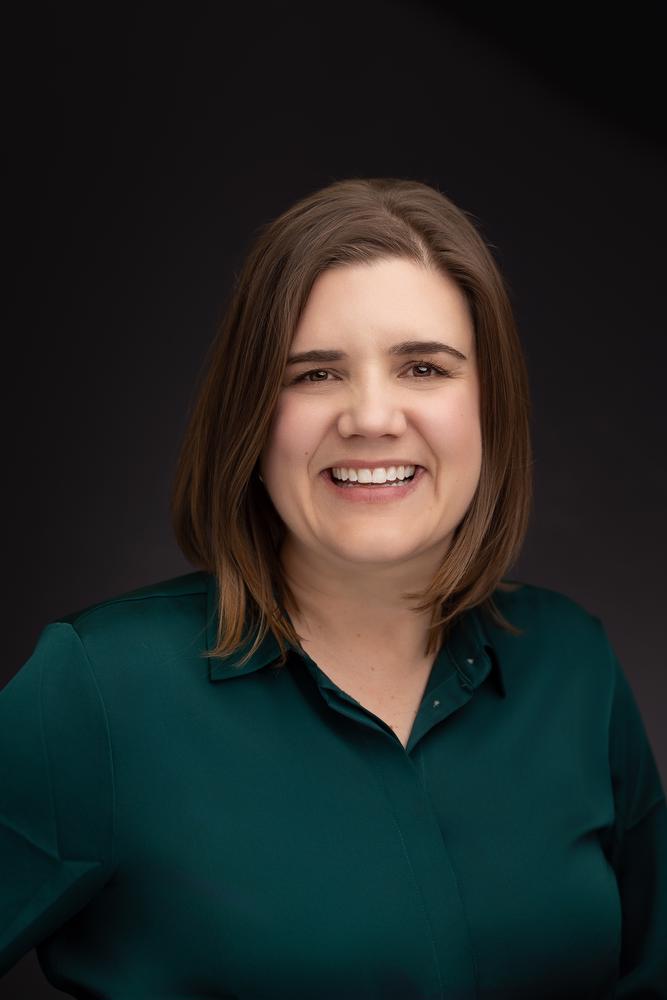
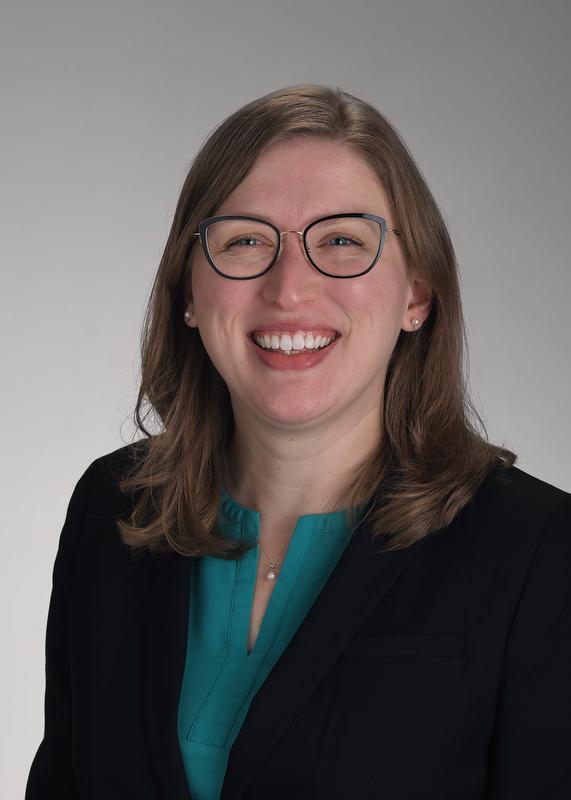
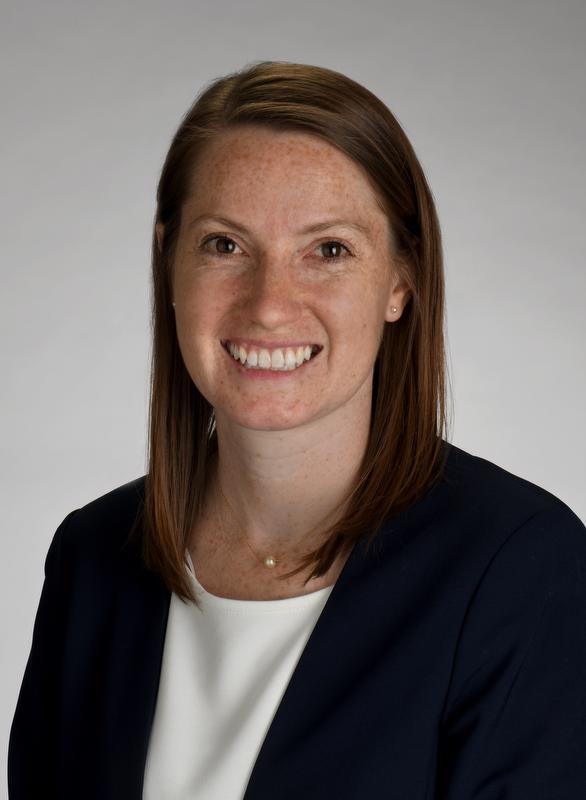
KL2 Scholar Libby Milkovich, M.D., Children’s Mercy
By Kelly Hale , Marketing & Communications Specialist
Jul 07, 2026
Project Title: Intervention Development to Address Adolescent Problematic Internet Use and Improve Mental Health
Project Summary: Problematic internet use affects up to 11% of adolescents and involves dependency, excessive use, and meaningful physical, emotional, and functional impairment. It contributes to sleep disruption, emotional dysregulation, academic decline, and increased anxiety and depression. The American Academy of Pediatrics’ Family Media Plan supports parent–child communication about digital media guidelines but does not address the real‑world barriers that prevent families from applying those guidelines consistently. The goal of this project is to develop and refine a family‑based intervention that improves adolescent mental health by targeting digital media behaviors. The intervention will be created using a participatory co‑design framework that integrates perspectives from adolescents, parents, and experts to ensure feasibility, acceptability, and impact.
Mentor(s): Emily Law, Ph.D.; Kimberly A. Randell, M.D., MSc
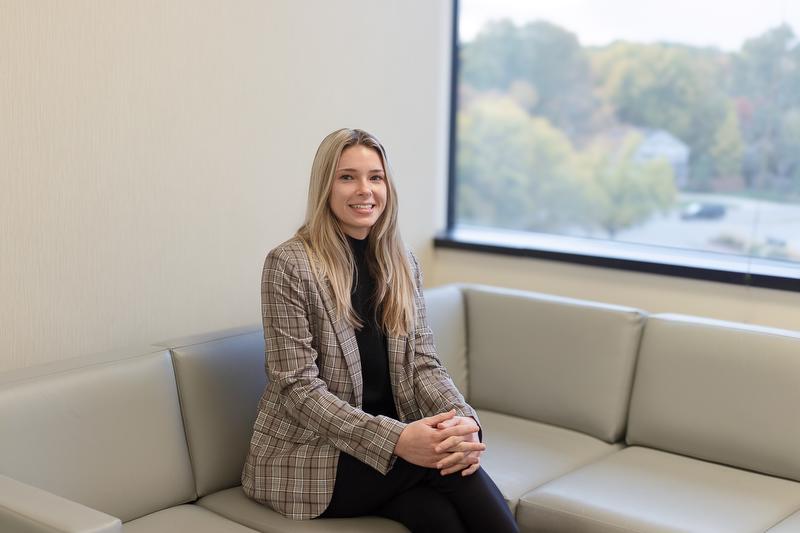
Libby Milkovich, M.D., likes solving problems and loves science, so it was an easy decision for her to go into medicine.
“Science is basically problem solving,” she said. “And going into medicine led me to pediatrics because there is so much hope in pediatrics. When you see a child, there is so much opportunity to change the trajectory of their development, but it really clicked when I sub-specialized in developmental and behavioral health.”
All of this led Milkovich to really look at the whole child rather than a single illness, including the family system, the school system, and their biological development.
“There’s a lot of science to behavior, thinking about what happens before the behavior, and what reinforces it,” she said.
In her work, she wants to engage community members in improving outcomes because children rely so much on the adults around them and while she has done some school-based work, she really enjoys community engagement around digital media. In doing this work, she realized there is a gap in knowledge about what is effective in changing digital media habits.
“I’m really excited about this because if we could figure out how best to use digital media, we could, in theory, help whole populations of kids and families,” said Milkovich, who was not originally interested in research because she thought it meant sitting in a lab using a pipette all day. “It wasn’t until I participated in a summer scholars’ program during medical school with a pediatrician who wanted to improve outdoor space to make it safer for kids in downtown Chicago that I realized I didn’t have to sit in a lab all day to work in research.”
That insight encouraged Milkovich to take a more active interest in research, knowing she could use data to help advocate for patients, which led to her KL2 project.
“My KL2 project is about engaging adolescents, parents, and clinicians in co-developing interventions to help adolescents with problematic social media use,” she said. “With screens all around us, limiting children to two hours a day is not really feasible anymore, so I am really looking at addictive behaviors around social media, like the compulsion to use it that leads to excessive use.
“And you cannot just say, ‘Stop using social media,’” she said. “That does not work with addictive compulsive behaviors. And that is problematic for adolescents because there are a lot of systemic variables that make someone more likely to have problematic social media use.”
And one of those variables is parents’ relationship with their own technology.
“We’re basing a potential intervention around addiction for adolescents, helping them identify different reinforcement behaviors instead of using devices,” said Milkovich. “This is based on the adolescent community reinforcement approach, which is well established in adolescent substance use literature.”
And as social media platforms change and increase, Milkovich’s framework for intervention should be able to continue to assist families and adolescents identify alternative behaviors. And while Milkovich is focused on social media, she believes this could also help adolescents and gaming, as the framework aims to identify compulsion triggers and find new ways to reward that behavior.
And her KL2 project will help her discover the best way to deliver these interventions for adolescents and families.
And her reason for applying for the KL2 program was easy.
“I want to develop my skills and understand the gaps that I currently have in research,” she said. “I like hearing outside perspectives too, and I think this program is really going to help me see the work in a different way, but also help me understand the gaps I have now and help fill those.”

Kelly Hale
Marketing & Communications Specialist
Latest Articles
View All TL1 Trainee · News
 Funded Projects · News
 KL2 Scholar · News
 Funded Projects · News
 TL1 Trainee · News
 Funded Projects · News
 KL2 Scholar · News
 KL2 Scholar · News






















 News · In the Community








 News
News
















 Funded Projects · News