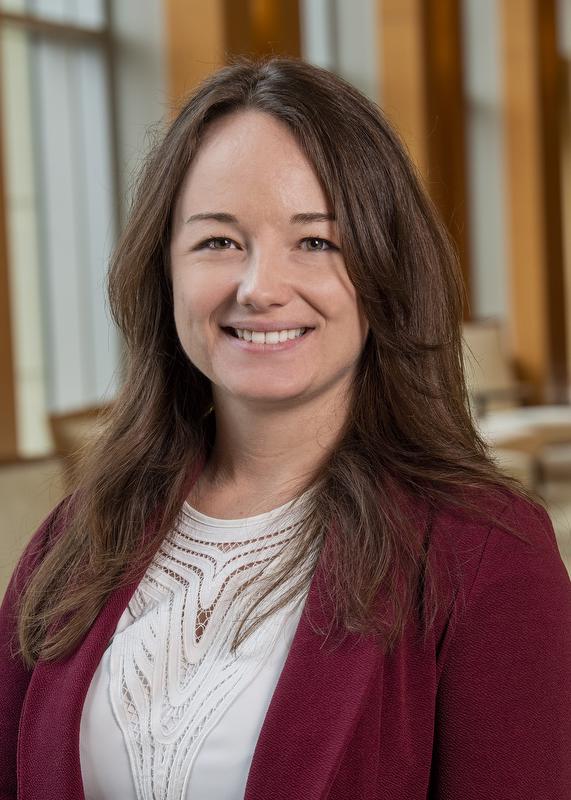
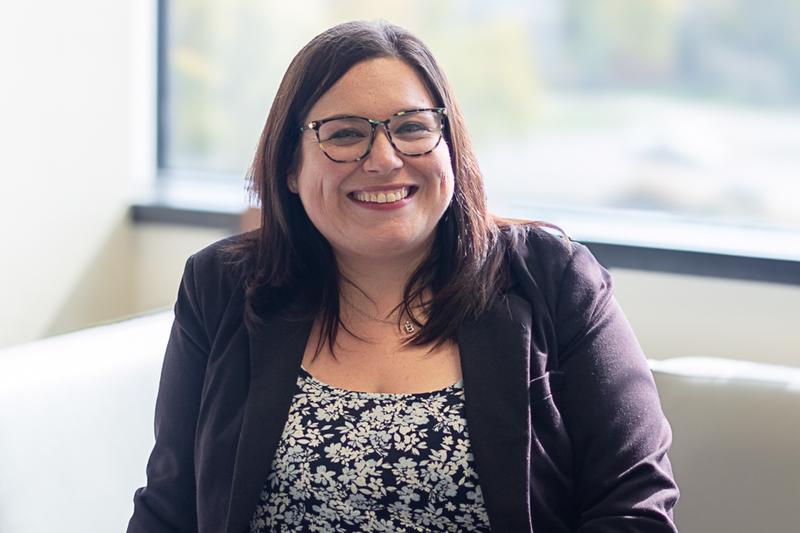
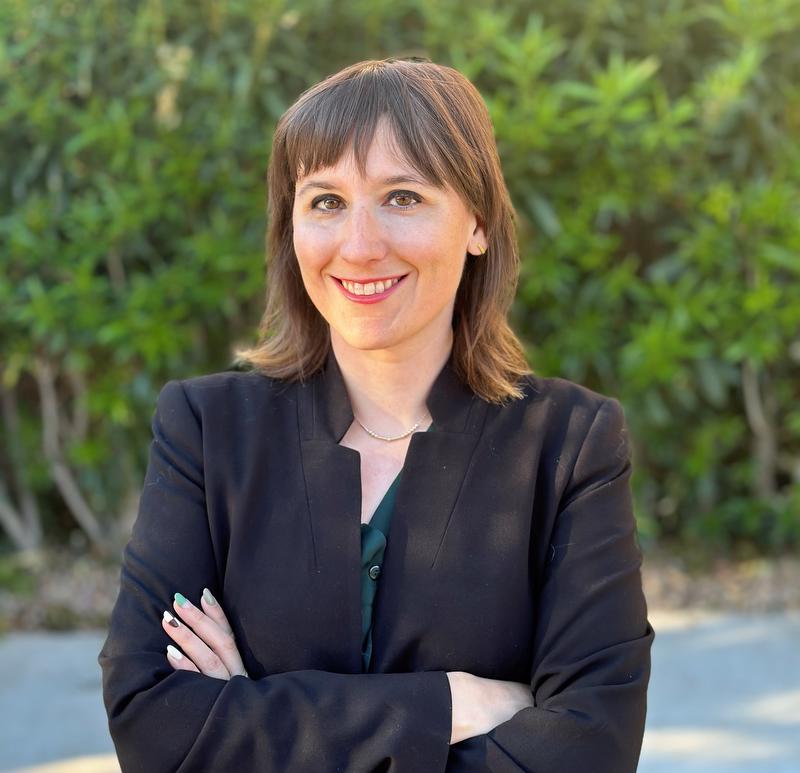
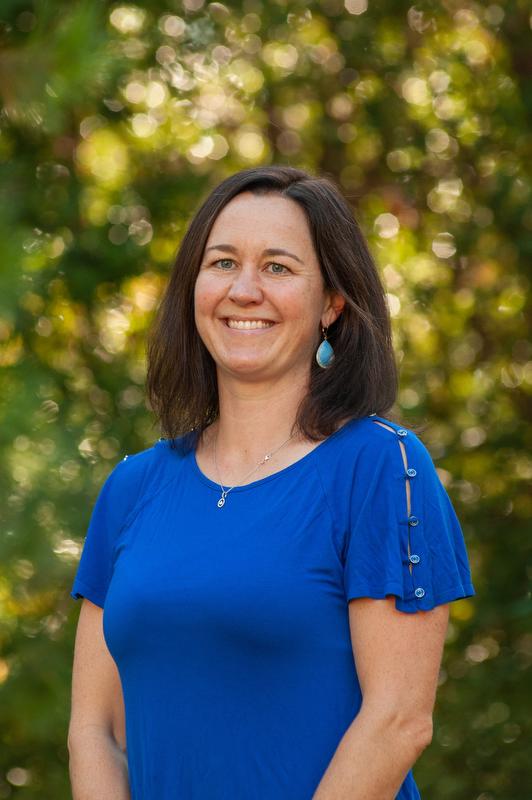
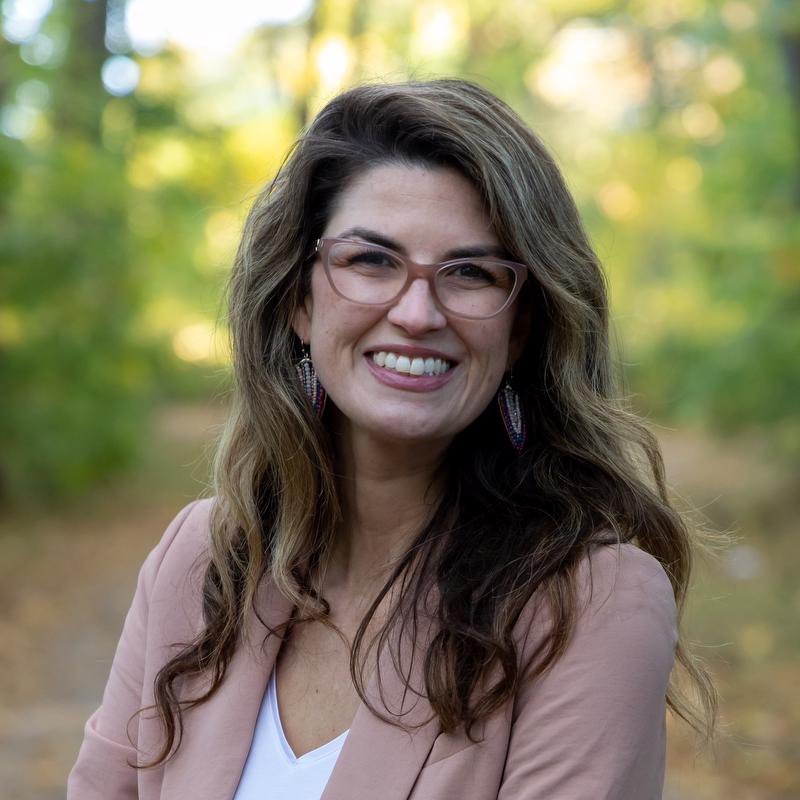
TL1 Postdoctoral Trainee: Alisa Zoltowski, Ph.D., University of Kansas
By Kelly Hale , Marketing & Communications Specialist
Nov 09, 2026
Project Title: Trust your gut: The neural basis of gastrointestinal issues in autism
Project Summary: This study will use novel experimental measures to test how disconnection in the gut-brain axis can lead to gastrointestinal (GI) issues, particularly for autistic individuals. This research seeks to enhance our understanding of why GI issues commonly occur in autistic individuals and how we can support these individuals.
Mentor(s): Carissa Cascio, Ph.D. and Anna Wallisch, Ph.D.
Alisa Zoltowski, Ph.D., is focusing her research on understanding sensory issues that affect persons with autism, which includes the differences in sensory processing and how it can affect other areas of life, like health and wellness.
For Zoltowski, a part of triplets, her interest in the area was driven by a family interest; one of her brothers is autistic and she has seen how his sensory experiences have been a challenge for him.
“For my TL1 project, I’m focusing more on stomach sensitivities, which is his issue,” said Zoltowski. “But the more I have gotten into this research, the more it seems like it is resonating with a lot of individuals. I started with understanding how autistic individuals process the sensory signals that they get from their body.
“Things like heart rate, breathing, hunger; we all have variations in how much we’re kind of paying attention to these signals and how we’re interpreting and integrating the information we get from our bodies.”
Zoltowski started focusing on heartbeats, heart rate and how that can bleed *into your emotional processing and well-being and has transitioned into how the body is processing signals from the stomach and gut. The area around a person’s gastrointestinal (GI) signals have not been studied as much to really figure out how the brain is interpreting this information.
“For some individuals with autism that have GI issues, they can experience really severe discomfort,” she said. “I have read some estimates where person with autism can be three to four times as likely to experience GI issues than someone without autism. And we understand they are in pain, but we cannot pinpoint the cause.
“We think the brain is processing things differently, but we don’t know why, and unfortunately, this can lead to delayed support until we can solve the GI issues.”
For her TL1 project, Zoltowski is utilizing both an electrogastrogram and electroencephalogram (EEG) to measure the pace making of your gut that guides digestion, and the electrical activity in the brain.
“In this study, we’ll look for the coupling of these signals to see what is happening, and if they are communicating with each other,” she said. “And we’re hoping to build on this study to see what other patterns, like are you having issues controlling your breathing, to see if there is a broader pattern of sensory processing differences.”
And applying for the TL1 postdoctoral training program felt like a great opportunity for Zoltowski to not only work on her research project, but to develop skills she will need as she pursues being an independent researcher.
“There are so many great resources in this program,” she said. “It has been great to meet my cohort in Frontiers Scholars Club and hear about their projects. It has also helped me think about the clinical perspective. The group has been great in helping me think about how to explain my project to someone who is not working in this field.”
Research reported in this publication is supported by the National Center for Advancing Translational Sciences of the National Institutes of Health under the Award Number TL1TR002368. The content is solely the responsibility of the authors and does not necessarily represent the official views of the National Institutes of Health.

Kelly Hale
Marketing & Communications Specialist
Latest Articles
View All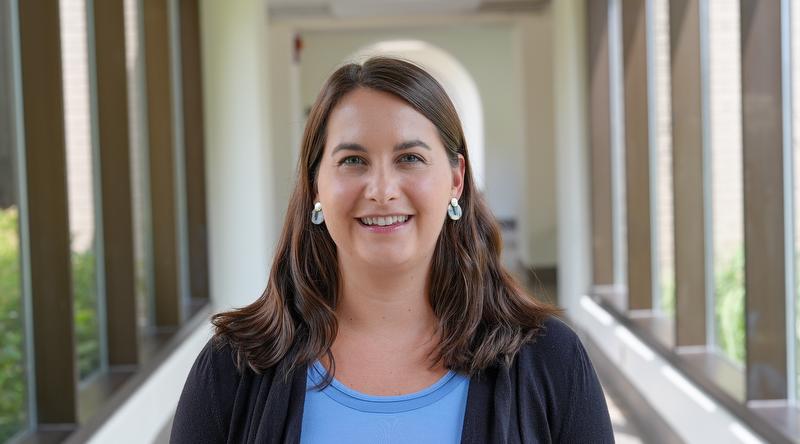 TL1 Trainee · News
 News
 TL1 Trainee · News
 Funded Projects · News
 KL2 Scholar · News
 Funded Projects · News
 TL1 Trainee · News
 Funded Projects · News
 KL2 Scholar · News
 KL2 Scholar · News



















 News · In the Community







 News












 Funded Projects · News