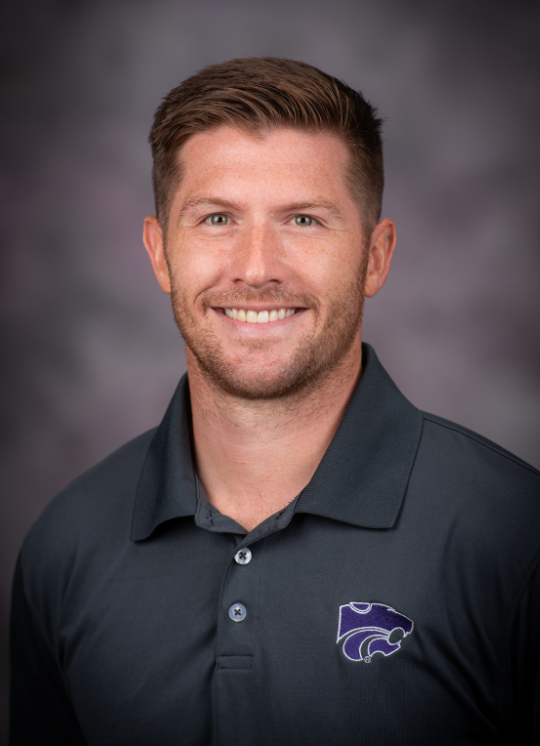
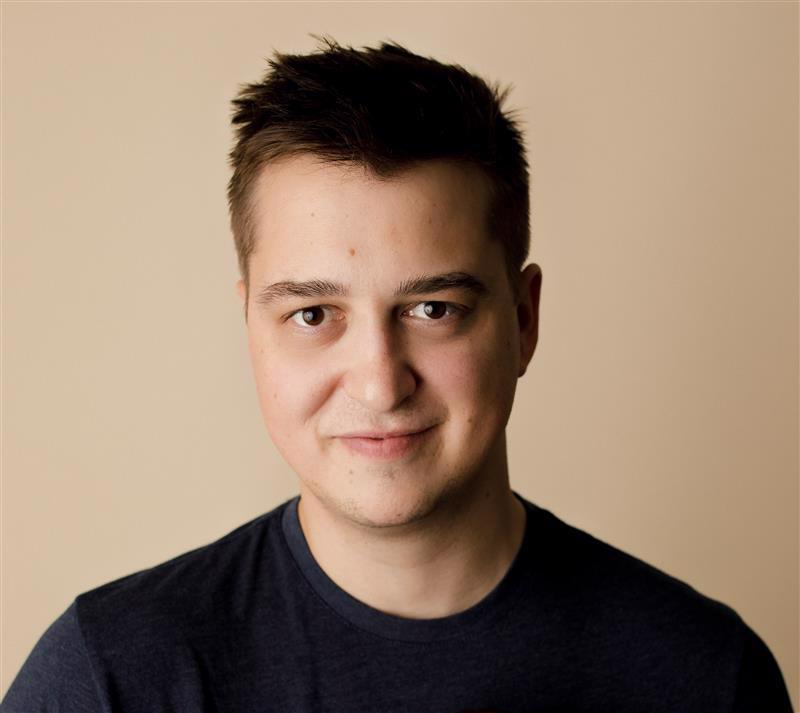
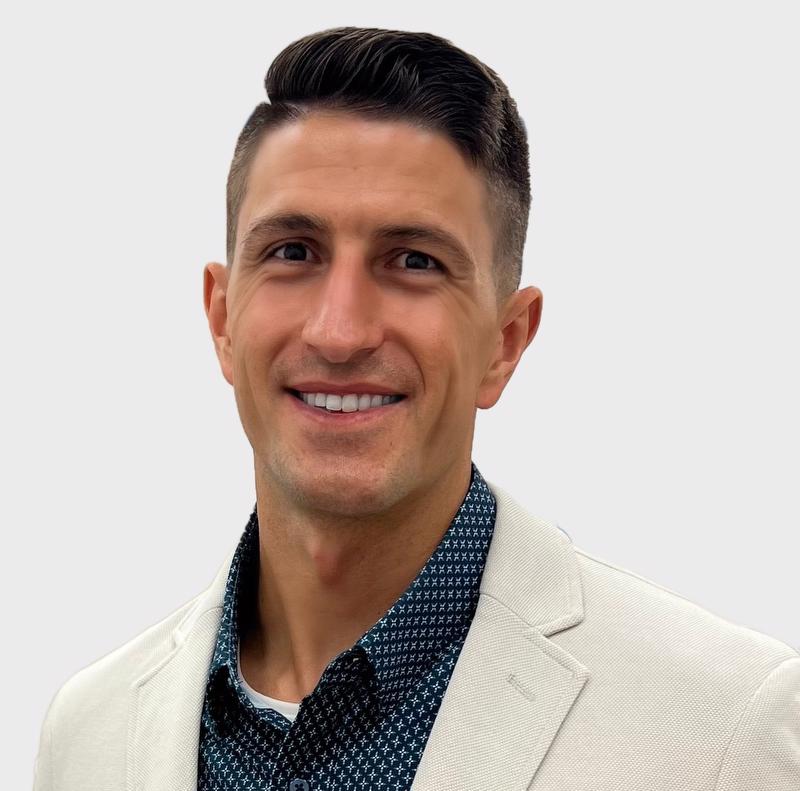
Lauren S. Aaronson Pilot Awardee: Denver Brown, Ph.D., Kansas State University
By Frontiers , Clinical and Translational Science Institute
Aug 10, 2026
Project Title: Walk Kansas Our Way: Digital Adaptation of a Community-Based Physical Activity Program for Rural Youth
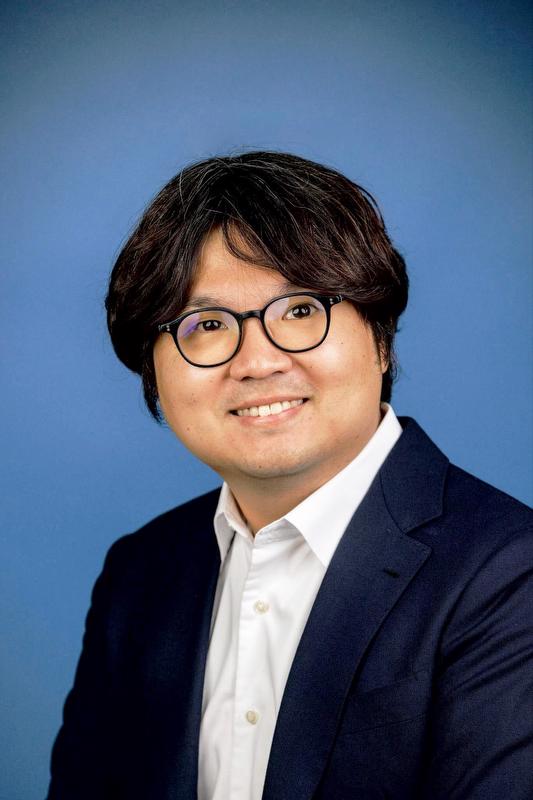
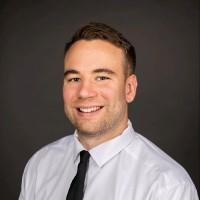
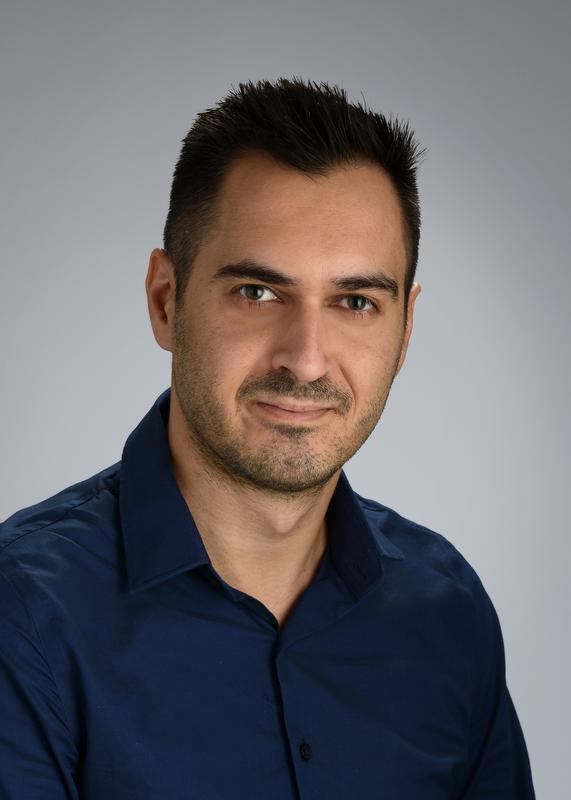
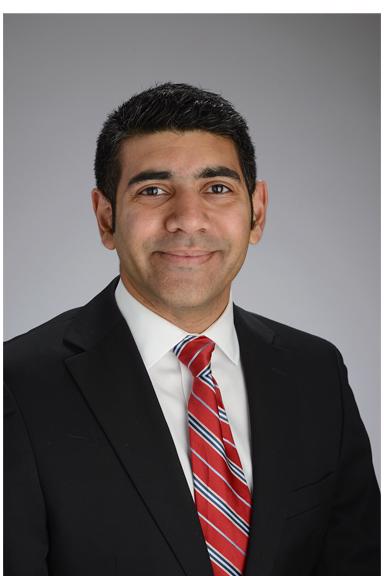
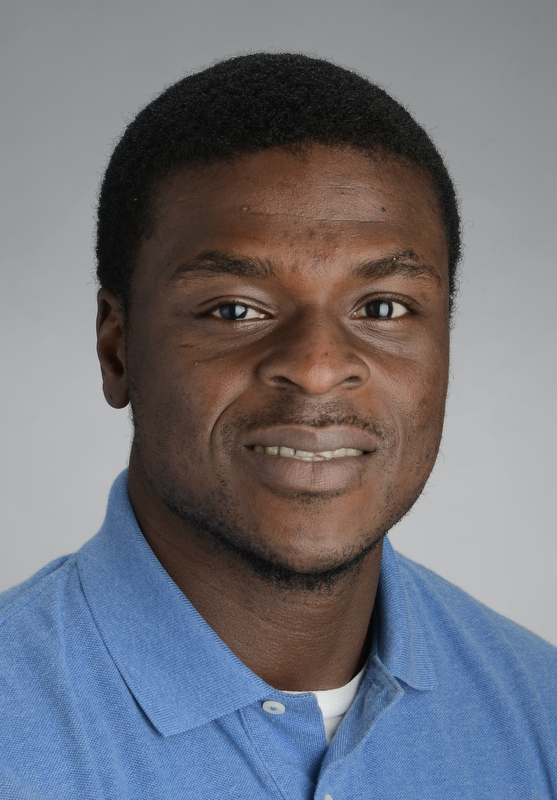
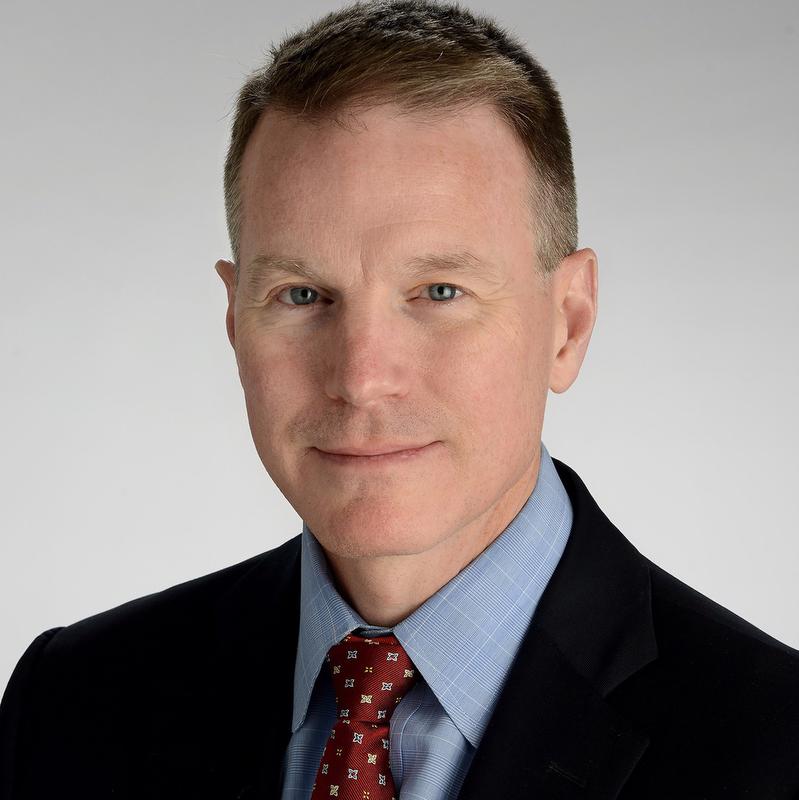
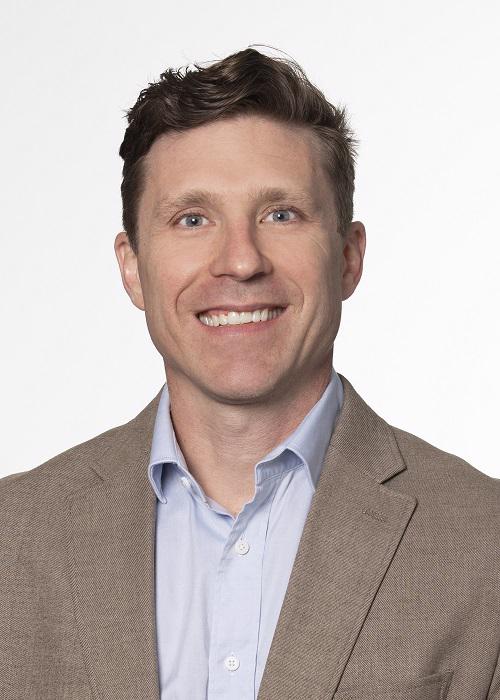
Denver Brown, Ph.D., is an assistant professor in the School of Health Sciences at Kansas State University, where his research in the field of behavioral medicine focuses on promoting physical activity to prevent chronic disease and support mental health among young people.
Much of Brown’s work is centered on a deceptively simple question: how can researchers, families, and communities help young people move more in ways that are realistic, engaging, and sustainable?
“A lot of what I look to do is to try and figure out how we can help young people maintain healthy levels of physical activity or become more active if they are not currently getting enough,” Brown said.
That question becomes especially important during adolescence, a period when physical activity often declines. Brown’s previous work has largely focused on adolescents and young adults, including the transition from high school to college, during which many young people gain greater autonomy and take on new roles and responsibilities. During this period, leisure time physical activities such as exercise and sport can become harder to maintain.
“We’re already seeing a steep decline in physical activity through high school, but it gets worse when they get to college,” Brown said. “And more recently, my work has broadened to not only focus on physical activity but looking at other movement behaviors people engage in across the course of an entire day. This is important because if our physical activity is decreasing, well, that time needs to go somewhere else, and for young people it is often to sedentary pursuits such as recreational screen time.”
Through his Lauren S. Aaronson Pilot Award, Brown is adapting Walk Kansas, a long-standing, eight-week, team-based physical activity program delivered through Cooperative Extension. Walk Kansas has traditionally served adults across the state through group goal setting and weekly educational materials. Brown’s project, Walk Kansas Our Way, will explore how that established program can be updated for rural youth and delivered through 4-H, Cooperative Extension’s youth development program.
For Brown, the 4-H connection is central to the project. Cooperative Extension and 4-H already have trusted relationships in rural communities, along with an existing structure for reaching young people and families. Rather than building a new program from the ground up, Brown and his collaborators are asking how an evidence-based program can be adapted for the youth who may benefit from it.
“I think with a project like this, it’s good to have a recognition of how the environments that youth are in can really shape how physically active they are,” Brown said. “And that can set the trajectories across the lifespan.”
The project addresses a common challenge in community-based health research: programs may work in small studies but never become widely available, adapted for new populations, or integrated into the community systems that could deliver them.
“Much of the work that’s been done in these rural settings will be small trials that really don’t make it out into the community, which is unfortunate because we get this knowledge, but we don’t scale it up,” Brown said. “So, we’re taking a different approach where we’re taking a proven program among adults and implementing it into a setting where we can really reach rural youth at scale.”
Brown and his team will begin by working with rural youth, families, and Extension stakeholders to identify factors that might help or hinder the program's delivery through 4-H community clubs. The team will use a process called a brainwriting premortem, which asks participants to imagine that a program did not work and then identify the reasons why. This approach can reveal potential implementation barriers before Walk Kansas is launched, including whether the program fits within regular club meetings, is feasible for volunteer leaders to deliver, engages youth with different interests and abilities, and can be carried out in rural communities where transportation, staffing, and access to recreational spaces may be limited.
The second part of the project will focus on updating the program materials. Instead of relying solely on long-form print materials, Brown’s team will develop, and test short-form digital content like Instagram Reels or TikTok videos to better reflect how adolescents receive information today. The project will compare youth-created videos with AI-generated videos to understand what rural adolescents, families, and Extension partners find most acceptable, useful, and engaging.
Brown said there is also an important balance between measuring physical activity accurately and understanding what movement looks like in real life. Self-reported activity can miss routine activities such as walking to school, riding a bike, or moving between places. Wearables devices can provide a more objective measure of movement but often cannot capture the context of what the person was doing, where it occurred, and why.
“There’s a lot more that you miss when you’re just getting self-reports done,” Brown said. “But at the same time, when we move to devices, we lose a lot of the contextual information. We need a balance of both to accurately capture how much people are engaging in physical activity and what they are doing.”
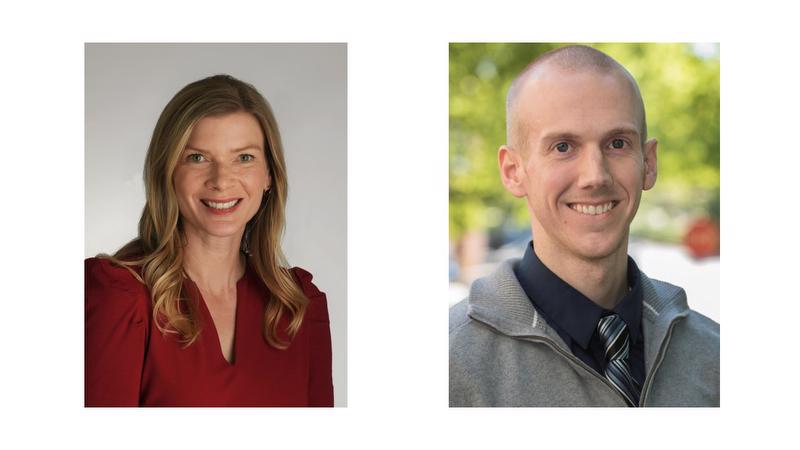
To help ensure the project achieves its goals, Dr. Brown has assembled a strong team of Kansas State University researchers and partners with expertise across several complementary areas. Co-investigator Dr. Emily Mailey brings expertise in physical activity behavior change, particularly the development of effective health-promotion messages. She previously helped revise the mass media messaging components of the National Physical Activity Plan. Co-investigator Dr. Karen Eppley, director of K-State’s Rural Education Center, brings expertise in how structural and geographic differences shape access to opportunities in rural communities. And perhaps most importantly, Dr. Sarah Maass, State Program Director for 4-H Youth Development in Kansas, will serve as the project’s community representative, providing critical insight to ensure the adapted program is feasible to deliver within the 4-H system.
He sees collaboration as one of the project's strengths.
“I’m just really excited about the opportunity to work collaboratively with 4-H stakeholders and use the reach of the Extension system to bring this program to youth in rural communities,” Brown said. “Our recent work with nearly 800 youth enrolled in Kansas 4-H programming has shown that they are interested in programming like this.”
If successful, the pilot project will produce a version of Walk Kansas that is more developmentally relevant for rural youth, more aligned with how young people engage with media, and more ready for delivery through 4-H. The work is also designed to support a future larger grant submission to evaluate the adapted intervention more broadly.
Beyond physical activity alone, Brown hopes the project can contribute to a larger model for using trusted community systems and youth-informed digital tools to improve health promotion in rural communities.
As Extension has expanded beyond its agricultural roots, Brown sees a growing opportunity to support community health through systems that already know and serve rural families.
“Extension has evolved from just being agriculture-focused so long ago, to having this health piece now as well,” Brown said. “Which is really exciting.”
Research reported in this publication is supported by the National Center for Advancing Translational Sciences of the National Institutes of Health under the Award Number UL1TR002366. The content is solely the responsibility of the authors and does not necessarily represent the official views of the National Institutes of Health.

Frontiers
Clinical and Translational Science Institute
Latest Articles
View All TL1 Trainee · News
 Funded Projects · News
 KL2 Scholar · News
 Funded Projects · News
 TL1 Trainee · News
 Funded Projects · News
 KL2 Scholar · News
 KL2 Scholar · News





 News · In the Community
 News
News


 Funded Projects · News