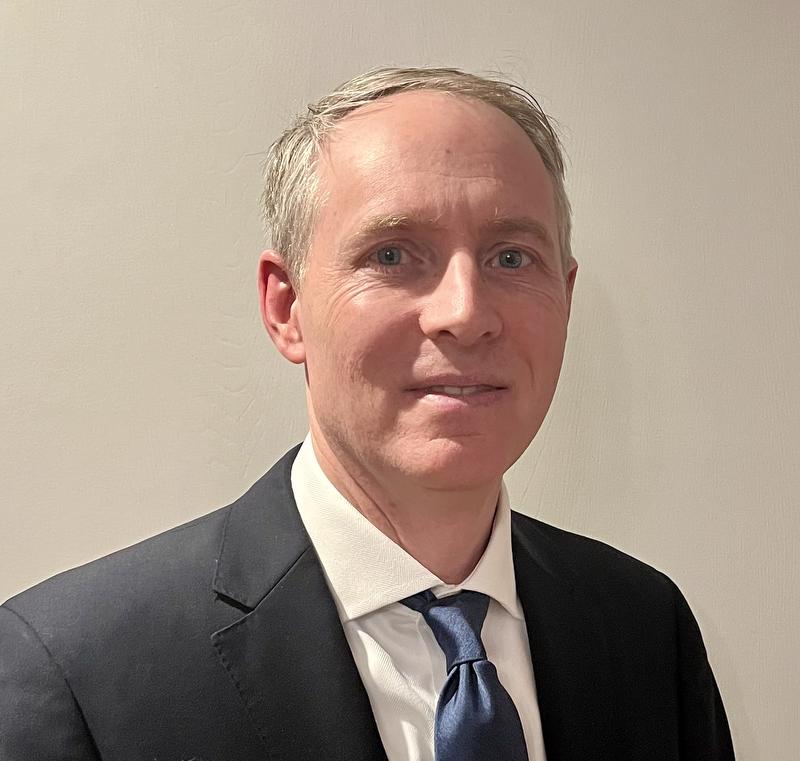
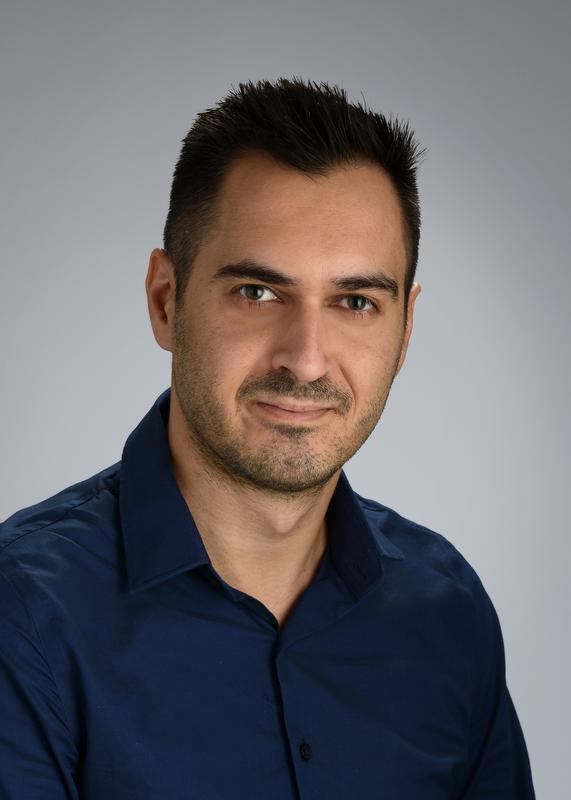
KL2 Scholar: Walker McKinney, Ph.D., Children’s Mercy
By Kelly Hale , Marketing & Communications Specialist
Sep 01, 2026
Project Title: Adapting A Group Intervention for Emotion Dysregulation in Autism and Intellectual Disability
Project Summary: About one in three autistic individuals also have an intellectual disability (ID). Many autistic individuals with a co-occurring intellectual disability (“ASD+ID”) struggle with emotion dysregulation, or difficulties managing the expression and intensity of emotions. Clinical consensus indicates that optimal emotion dysregulation interventions should both teach youth self-regulation skills and equip caregivers with strategies to prevent and respond to challenging behaviors. No such evidence-based treatment exists for school-age youth with ASD+ID. To meet this need, Dr. McKinney’s team will iteratively adapt the Regulating Together (RT) curriculum, an intensive outpatient group therapy program targeting emotion dysregulation, for a new cohort of school-age youth with ASD+ID to create a new program, Regulating Together for Intellectual Disability (RT-ID). Adaptations will be guided by feedback from a Community Advisory Board comprised of expert stakeholders, including clinicians, researchers, caregivers, and self-advocates. Over this 2 year award period, Dr. McKinney and his team will evaluate the feasibility, acceptability, and preliminary efficacy of RT-ID.
Mentor(s): Lauren Ptomey, Ph.D. (Primary Mentor), Rebecca Shaffer, Psy.D. (Secondary Mentor), Matthew Mosconi, Ph.D. (Secondary Mentor), Emily Hurley, Ph.D. (Secondary Mentor)
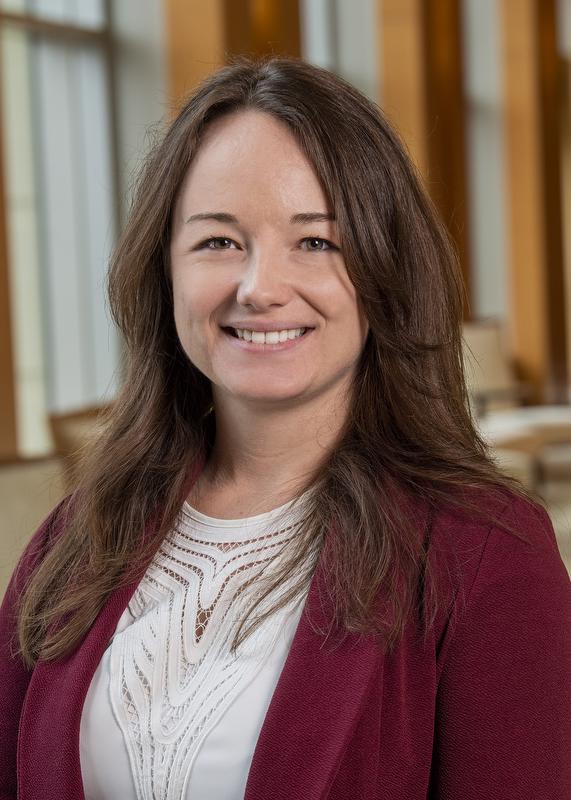
Walker McKinney, Ph.D., is a psychologist at Children’s Mercy, and his area of research focuses on treatment development for children with developmental disabilities. And for his KL2 project, he is focusing on children with autism who have co-occurring intellectual disability.
“About one in three children with autism also have an intellectual disability,” says McKinney. “And unfortunately, there aren’t great behavioral treatments for them. Current treatments are designed for children with autism who speak and have average or above-average intelligence. So, there are very few options.
“The lack of manualized therapies for this population frustrates me as a clinician, so I’m using the KL2 to try and develop an evidence-based therapy for this group of children.”
A co-occurring intellectual disability in a child with autism makes it more likely that they will struggle with emotion dysregulation (the ability to calm ourselves down), which can manifest as difficulties with anxiety, irritability, or mood swings.
“The treatment focus of my project is group therapy targeting emotion dysregulation,” he said. “And the idea is that emotion dysregulation is transdiagnostic – in other words, it is the foundation for many of the co-occurring issues that we see in these children.”
In this group, there can be elevated rates of anxiety, depression, and challenging behaviors such as aggression or self-injury. McKinney emphasizes that this is an emotion-dysregulation treatment that he hopes will help these children cope with big feelings.
McKinney’s project builds on his work as a postdoctoral fellow at Cincinnati Children’s Hospital Medical Center, where he contributed to studies of a group therapy called Regulating Together, originally designed for children with autism and emotion dysregulation.
“We’re taking the treatment that has been validated on children with autism of average intelligence, and we’re aiming to expand it to a new group of children who have autism and co-occurring intellectual disability,” he said. “The key things that we’re trying to think about as we adapt the original materials are ways to make materials more accessible.”
“Currently, materials are didactic, and while effective, the original program requires children to be able to use full sentences and engage in a way that is not going to work with many of the children who have an intellectual disability.”
“They might have less language or need things condensed or repeated to let them learn like other children, so we’re taking an iterative approach to implement changes to the original curriculum,” McKinney said. “We are collaborating with a Community Advisory Board of caregivers affected by autism and intellectual disability, clinicians, and researchers to get feedback on the intervention.
“We want to make initial adaptations and trial this in a small group. We will interview the families to hear what worked and what did not work with the treatment, take that feedback to our advisory board, and use it to inform further modifications to the intervention. Our goal is to have a fully adapted manual that we can evaluate in a larger group following the completion of this study.”
McKinney also said that the biggest gains are usually found post-study, up to 20 weeks after the treatment ends.
“We see improvements continue to grow with time, and to me, that’s about the parents and caregivers,” he said. “They are the ones at home practicing these skills after they finish therapy. They are the ones implementing everything. The timeframe reflects that.”
As for other aspects of his KL2 training, McKinney is looking forward to the training in qualitative methods and analysis and networking with other Frontiers CTSI scholars.
Research reported in this publication was supported by the National Center for Advancing Translational Sciences of the National Institutes of Health under the Award Number KL2TR002367. The content is solely the responsibility of the authors and does not necessarily represent the official views of the National Institutes of Health.

Kelly Hale
Marketing & Communications Specialist
Latest Articles
View All TL1 Trainee · News
 Funded Projects · News
 KL2 Scholar · News
 Funded Projects · News
 TL1 Trainee · News
 Funded Projects · News
 KL2 Scholar · News
 KL2 Scholar · News































 News · In the Community










 News
News




















 Funded Projects · News