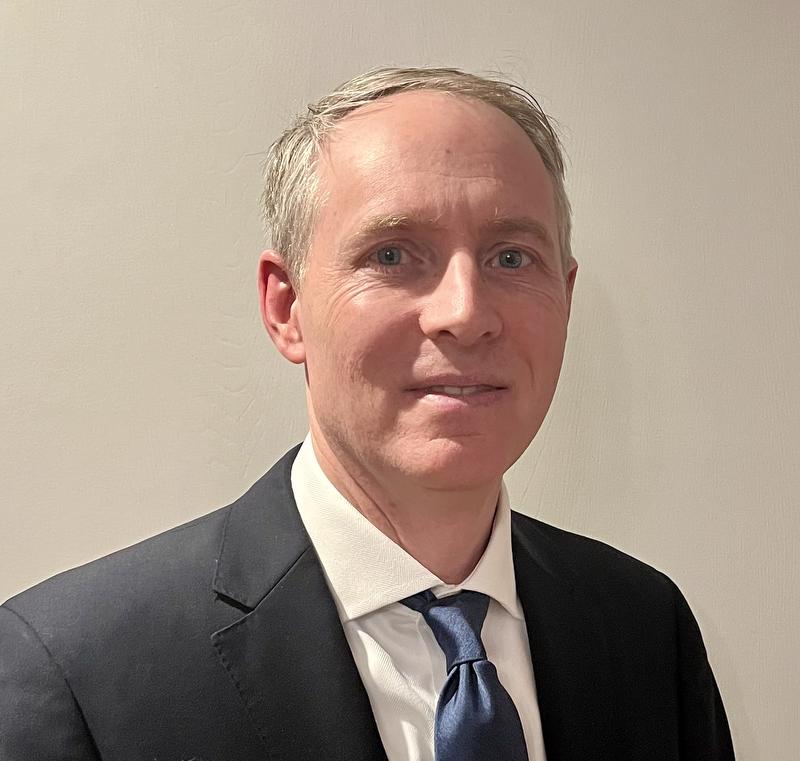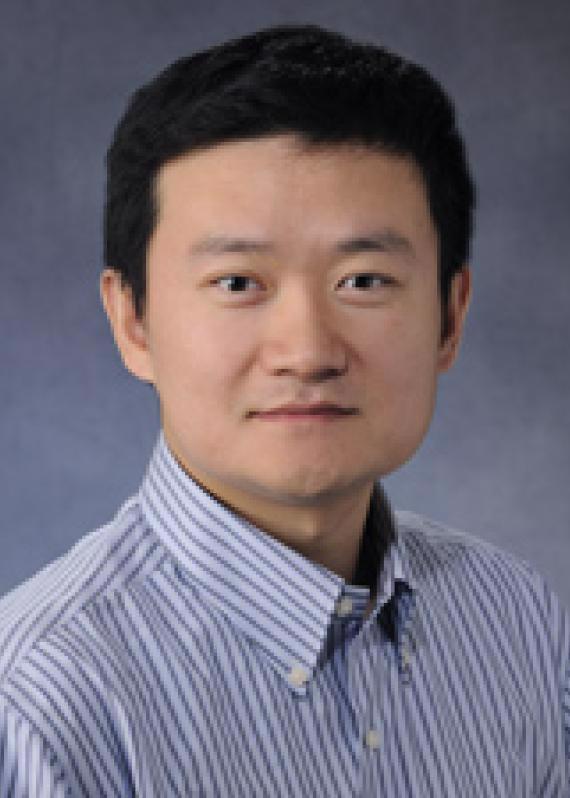
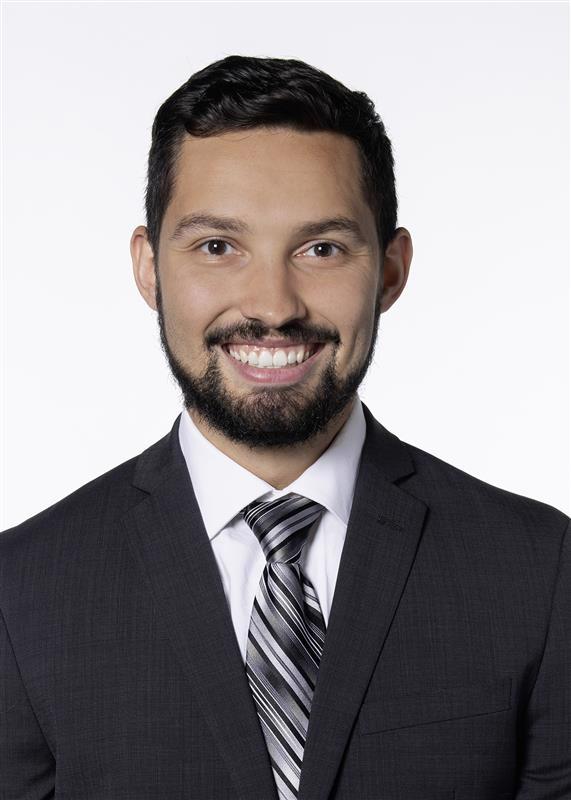
Michael Wang, Ph.D., Institute for Advancing Medical Innovations Trailblazer Award
By Frontiers , Clinical and Translational Science Institute
Oct 01, 2026
Project Title: Oncofetal Biomarkers for Early Detection of Liver Cancer
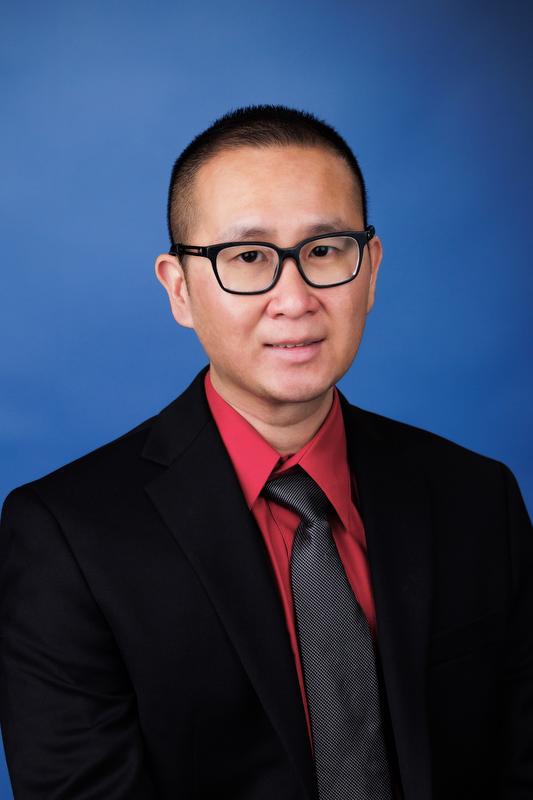
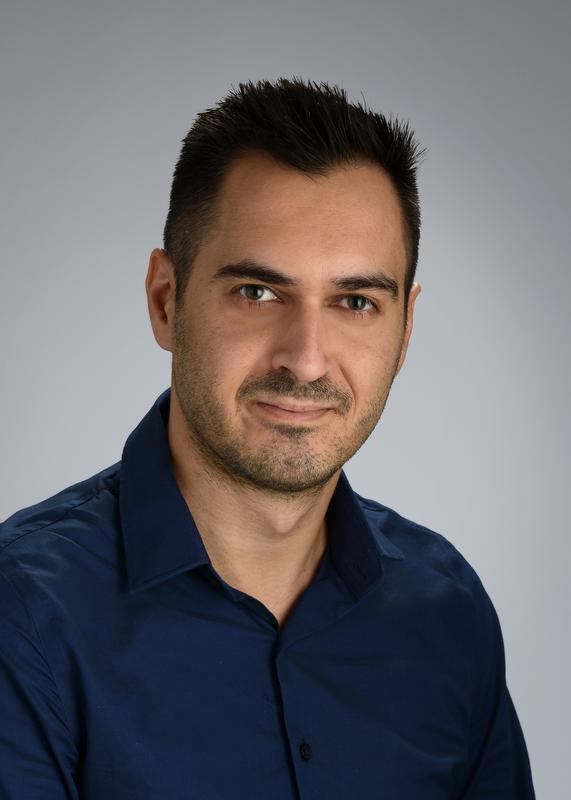
Michael Zhuo Wang, Ph.D., is a professor in the Department of Pharmaceutical Chemistry at the University of Kansas School of Pharmacy. His laboratory focuses on pharmaceutical and exosome analysis, quantitative proteomics, drug metabolism and pharmacokinetics, cancer biomarkers, biotechnology and drug delivery, and drug discovery for parasitic infectious diseases.
Through his Institute for Advancing Medical Innovations Trailblazer Award, Wang is applying that expertise to a major challenge in cancer care: improving early detection of liver cancer.
“This particular project focuses on biomarker discovery for early detection of liver cancer,” Wang said. “It builds on what we’ve been doing with hepatic drug metabolism, extending that into early detection of liver cancer.”
Liver cancer is a significant global health problem and is often diagnosed after the disease has already advanced. Hepatocellular carcinoma, or HCC, is the most common form of primary liver cancer. When HCC is found late, patients may have fewer treatment options and poorer outcomes. For Wang, that makes earlier detection an urgent research priority.
“What really caught me is there’s no good way for early detection of liver cancer,” Wang said. “Like many other solid cancers, these are diagnosed at a much later stage.”
Current clinical approaches include imaging, such as ultrasound, and blood-based measurement of alpha-fetoprotein, or AFP. AFP is a protein that is produced during fetal development and has long been used in liver cancer diagnosis and monitoring. However, AFP does not identify all early-stage cancers, and its role in early detection remains limited. Wang’s project asks whether additional fetal-like proteins, known as oncofetal proteins, could provide new clues.
Oncofetal proteins are proteins that are produced during fetal development but usually disappear or become highly restricted in healthy adult tissues. Some cancers appear to reactivate fetal-like biological programs, meaning that certain oncofetal proteins may reappear in tumors. Wang’s team is particularly interested in two liver-related enzymes: CYP3A7 and FMO1. These proteins are normally associated with fetal liver development, but Wang’s preliminary work suggests they may also be detectable in liver cancer-related samples.
The project also focuses on extracellular vesicles, or EVs. EVs are tiny particles released by cells into blood and other body fluids. One type of EV is called an exosome. These vesicles carry biological cargo, including proteins, lipids, and nucleic acids, from the cells that release them.
“Exosomes or EVs carry cargoes from the cells,” Wang said. “Those cargoes are proteins, lipids, or nucleic acids that represent their cells of origin.”
That feature may make EVs useful for cancer detection. If cancer cells release EVs into the bloodstream, researchers may be able to capture those vesicles and analyze the molecules inside them. This could provide a minimally invasive way to detect biological signs of cancer through blood samples.
“These cancer cells can also secrete these EVs into the bloodstream,” Wang said. “So then we can use different methodologies to capture these EVs secreted by cancer cells and then analyze the cargoes, these molecules inside of these EVs, and use that information for diagnosis.”
In the first aim of the project, Wang and his team will compare the expression of CYP3A7 and FMO1 in liver cancer cells and normal liver cells. They will examine both cellular expression and extracellular expression in EVs. The goal is to determine whether these proteins appear in HCC cells but not in normal liver cells, which would support their potential as candidate biomarkers.
To do this, the team will use a targeted proteomics platform known as ultra-performance liquid chromatography-multiple reaction monitoring mass spectrometry, or UPLC-MRM. In simpler terms, this is a highly specific analytical method that allows researchers to measure selected proteins with precision, even when those proteins are closely related to other molecules.
In the second aim, Wang’s team will test whether circulating EV levels of oncofetal proteins may help distinguish liver cancer from noncancerous liver disease. The team will use previously banked, de-identified plasma samples from local biospecimen repositories, including samples from patients with liver cancer and patients with noncancerous liver diseases. They will measure several candidate biomarkers, including CYP3A7, FMO1, AFP, and midkine, in plasma and circulating EVs.
The long-term goal is to develop non- or minimally invasive biomarkers that could support earlier detection of liver cancer and, potentially, other difficult-to-detect tumors. If successful, this pilot project will establish proof-of-concept data and a robust analytical platform for future clinical validation studies.
Wang emphasized that the project depends on collaboration and regional research infrastructure. He noted the importance of collaborators and resources including Steven Weinman, M.D., Ph.D., from the KUMC Liver Center; Andrew Godwin, Ph.D., and the KU Cancer Center Biospecimen Repository Core Facility; and Malgorzata Witek, Ph.D., whose expertise in extracellular vesicle isolation and microfluidic methods will support the analysis of patient serum samples.
“We can’t do this type of work without these collaborations or the infrastructure they provide for this type of research,” Wang said.
Wang also plans to work with the Institute for Advancing Medical Innovations to consider how promising biomarkers could eventually move toward clinical application.
“If we are successful,” Wang said, “we want to talk about how we actually can implement these new biomarkers for clinical applications.”
By combining biomarker discovery, targeted proteomics, extracellular vesicle analysis, and access to de-identified clinical samples, Wang’s project aims to move early liver cancer detection closer to a practical blood-based strategy. The work is still early, but it addresses a clear clinical need: finding liver cancer sooner, when patients may have more options.

Frontiers
Clinical and Translational Science Institute
Latest Articles
View All TL1 Trainee · News
 Funded Projects · News
 KL2 Scholar · News
 Funded Projects · News
 TL1 Trainee · News
 Funded Projects · News
 KL2 Scholar · News
 KL2 Scholar · News























 News · In the Community









 News
News
















 Funded Projects · News